
Can Dogs Eat Black Beans?

Alright, fellow dog lovers, let’s talk about something fun. Ever see your pup give you puppy eyes when you’re munching on your fave nachos with black beans? It’s not just doggy envy; your four-legged buddy may be onto something!

Let’s be real, Black beans are chock-full of nutrients. We’re talking protein (get those muscles), fiber (for all that running around), and a ton of vitamins and minerals (eat your heart out, kale!).
Sounds like a fantastic doggie dinner, right?
In moderation and with the proper prep, you bet! Just like us, our fur buddies can benefit from a tasty, well-rounded diet bursting with these elements.
But beware – before you start dishing up Bean Surprise for your eager eater, read on!
Nutritional Content of Black Beans
So, here’s the scoop – black beans are brimming with nutrients liable to make a green smoothie blush, and they could potentially jazz up your dog’s meal times. Let’s break it down, shall we?
Protein
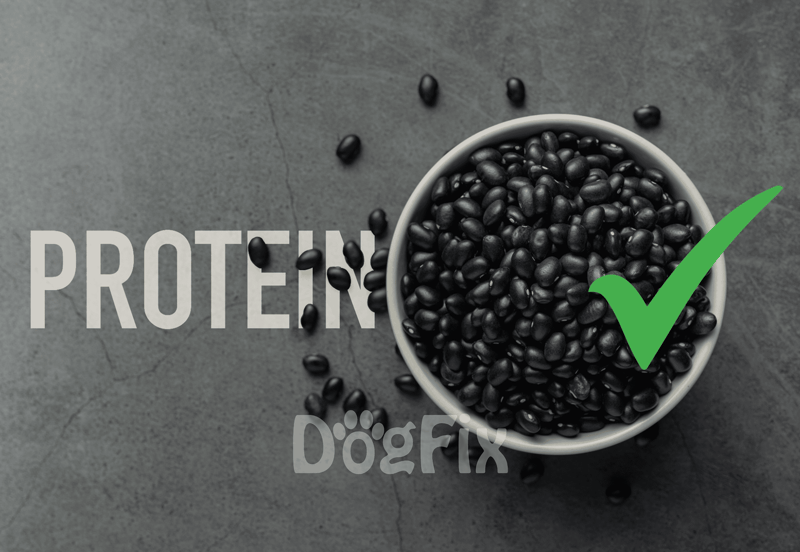
Protein powerhouse? Check. Black beans are in the big leagues here. All those amino acids are just waiting to give your fur buddy’s muscles, skin, and immune system a boost.
Fiber
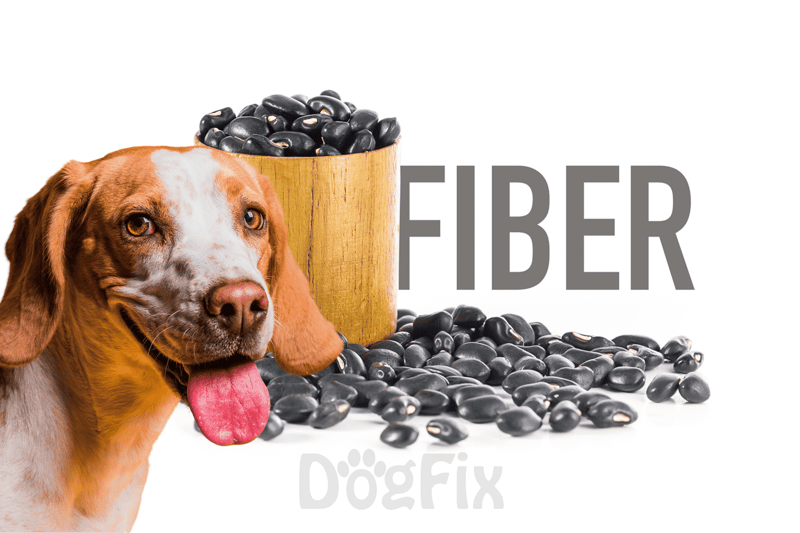
Fiber-filled? You bet. Not only will this help the digestion dance in your fur friend’s tummy, but it’ll help keep that pooch’s weight in check. Plus, we all appreciate a regular dog!
Vitamins
Vitamins in the mix? Of course! With a cocktail of vitamins like A, C, and K, your dog’s immune system, blood clotting, and vision will get the support they need to keep your fur pal well-functioning.
Antioxidants
Did someone say antioxidants? Yep, black beans come loaded with these. One happy result? They combat rogue free radicals wreaking havoc in your dog’s body. If that doesn’t put a wag in your fur buddy’s tail, what will?
Minerals
Don’t forget the essential minerals – each ready to support various body functions. Whether it’s iron assisting with oxygen transport, magnesium boosting energy, manganese supporting bone development, or zinc promoting skin health.
In conclusion, black beans, when added appropriately, could make your dog’s mealtime like a little fiesta filled with some extra nutritional punch and flavor!
Potential Risks and Side Effects
Wait, what? Black beans for dogs come with a warning label? Who saw that coming?
Well, hold onto your leashes, folks – we’re about to spill the beans on some potential side effects your fur friend might experience.
Gas Production
Flatulence can be a common side effect when dogs consume diets rich in beans. This is due to complex sugars that are difficult for dogs to digest fully, leading to gas production.

While flatulence may be uncomfortable and unpleasant for both you and your dog, it’s typically not a severe issue. However, if excessive gas persists, consider reducing the amount of beans in their diet or consulting your vet for further guidance.
Tummy Troubles
While beans are rich in fiber, they might not sit well in your pooch’s tummy initially. Yeah, too much all at once could lead to temporary digestive issues like diarrhea or constipation.

Again, the trick here is to start with “bean bits”, then “bean bunches”, till your fur buddy’s belly gets used to the new foodie friend.
Allergies
The spotlight’s now on those rare occurrences, folks. Sometimes dogs can experience abdominal discomfort or even allergic reactions after a bean banquet!
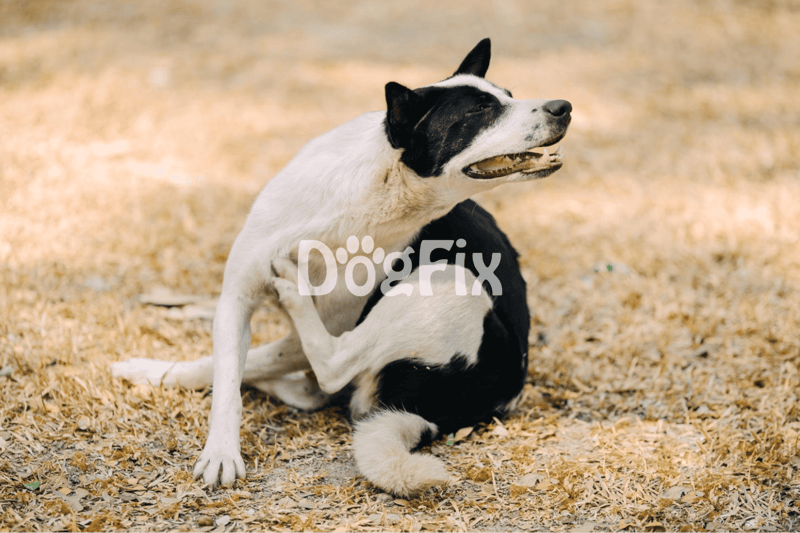
While these are rare, signs of an allergic reaction consist of itching, swelling, or difficulty breathing. If your pet displays any of these symptoms, contact your vet without delay.
Lectin
On a final note, black beans aren’t toxic for your fur pals; but a sneaky thing called ‘lectin’, a natural toxin hides in them. Lectins can lead to digestive issues if your dog consumes excessive beans.
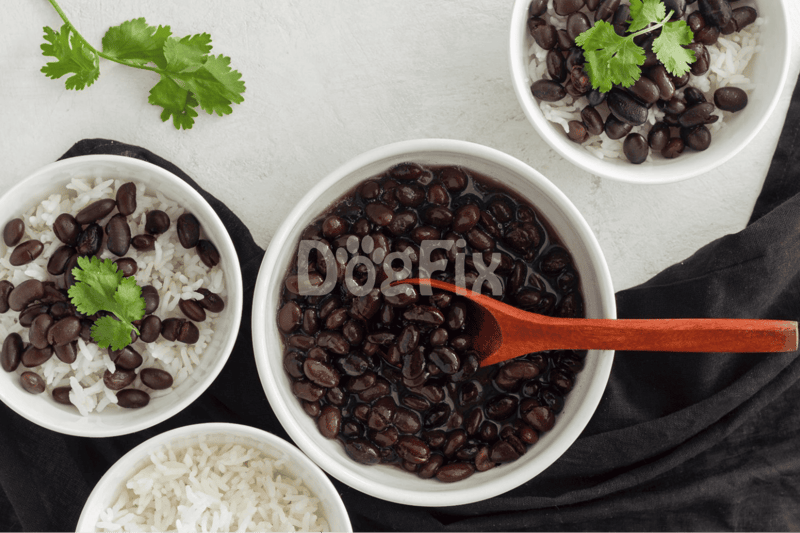
But there’s good news. Keep calm and cook on! Cook your beans thoroughly to neutralize these pesky proteins, and you’re good to go.
Preparation of Black Beans for Dogs
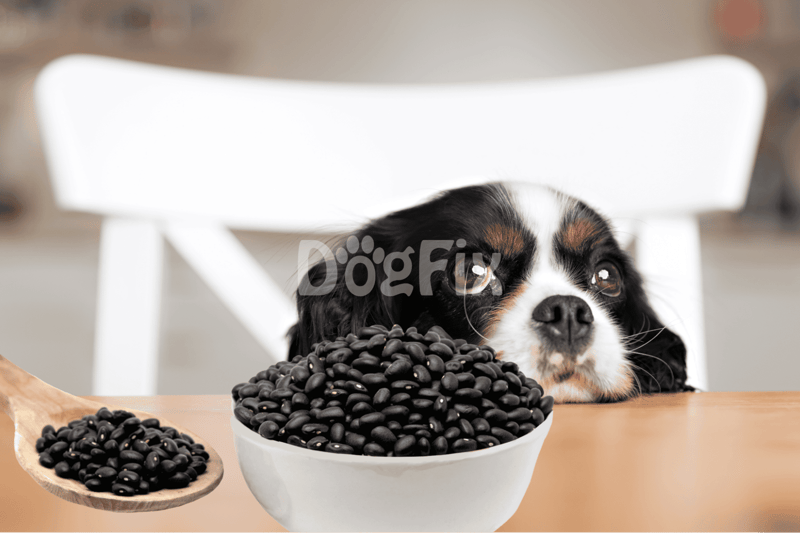
Ready to get cooking for Fido? Let’s sprinkle some magic on those black beans and make them a tasty treat for your fur pal. There are a few golden rules though, so let’s dish up the details.
Clean Thoroughly
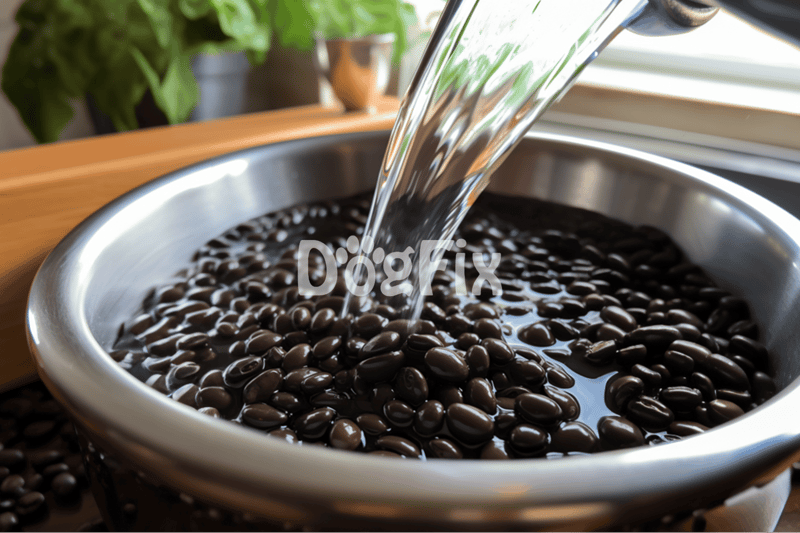
The first cardinal rule in the kitchen? Cleanliness. Give those black beans a good rinse to wash off any lingering dirt or bacteria. This way you’re sure your pup is having the cleanest dining experience!
Keep it Simple
When it comes to the recipe, think ‘minimalist chic.’ This isn’t MasterChef — we’re aiming for safe, simple, and fur-friendly. Avoid the garlic and onions from your culinary compilation; your dog’s digestion will thank you.
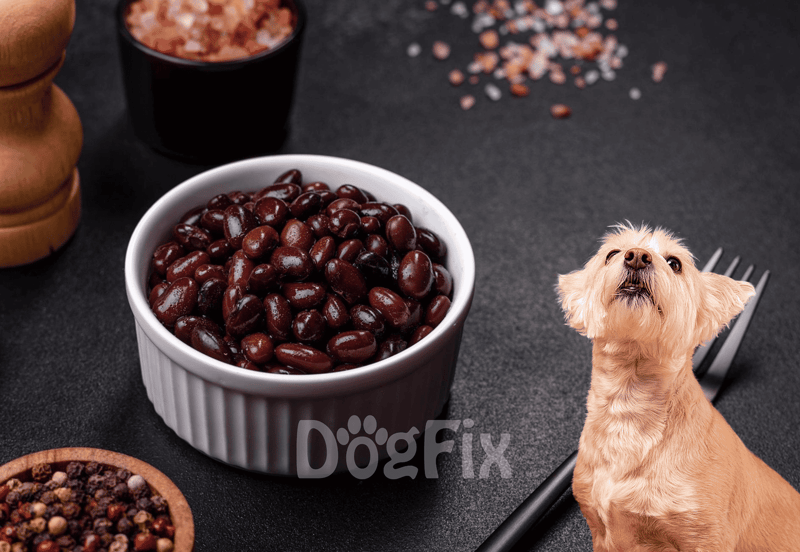
If you’re all about the convenience of canned beans, just take a peek at that label. We’re looking for a clean slate — no harmful preservatives or added, please!
Stove vs Pressure Cooker
So, how to cook these shiny gems? You’ve got two teammates on your team — the stovetop and the pressure cooker. The stovetop takes it slow and steady, simmering the beans to perfection in about an hour.

The pressure cooker, the hare of this race, gets there quicker. Pick your player and let the heat do its magic! Once those beans are soft and yummy, drain them and cool them down.
Mix It Up
Want to channel your inner canine chef? Try mixing the cooked black beans with a concoction of proteins, veggies, and grains whipped up to suit your dog’s dietary needs. It’s like a ‘choose-your-own-adventure’ food journey for your pooch!
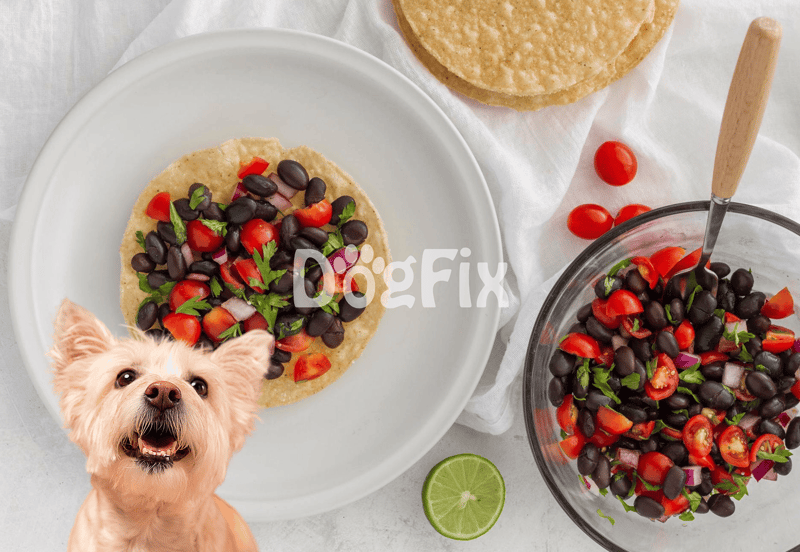
Think of black beans like secret spice—a dab is great, but they shouldn’t overshadow the meal. Serve them as occasional treats or meal boosters. If unsure, check with your vet. They’re as invested in your dog’s diet as you are!
Comparison with Other Beans
Let’s see which bean reigns supreme in the world of canines!
Green Beans, Pinto Beans, and Kidney Beans
Turns out, our green little friends – green beans – make an admirable partner for our fur pals. Low in calories and chock-full of a vitamin cocktail, they’re a winner.
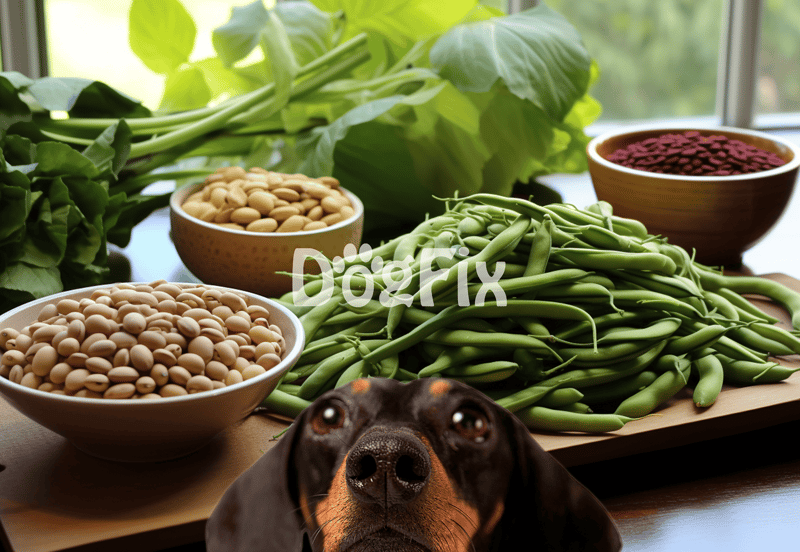
Just make sure you declutter any strings to avoid a choking hazard. Pinto and kidney beans also get a green light when cooked but ditch the raw kidney beans – they’ve got some toxic traits.
Refried Beans And Soybeans
Refried beans are not ideal for dogs due to their high sodium content, which can harm canines. Instead, opt for plain, cooked beans without added salt or seasoning.
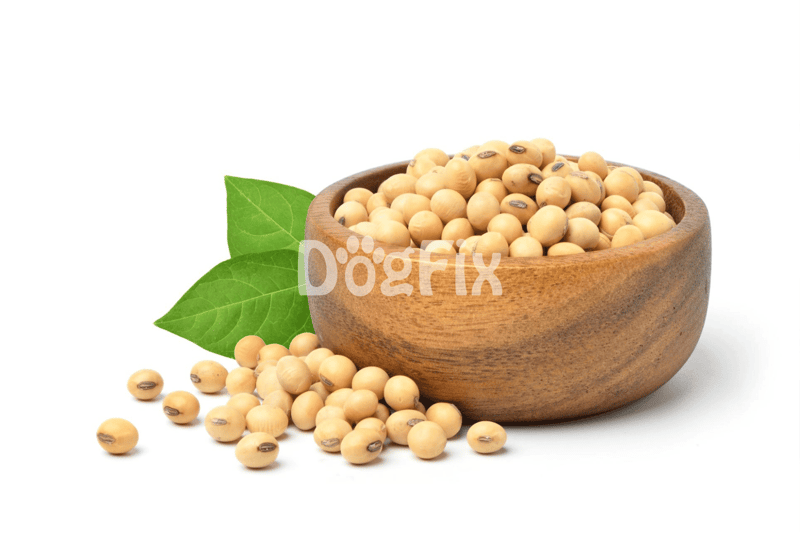
Soybeans should be consumed in moderation as they contain phytoestrogens that can disrupt hormonal balance when consumed in large quantities
Garbanzo Beans, Lentils, And Baked Beans
Garbanzo beans (chickpeas) and lentils can also be a good source of dietary fiber and essential nutrients for dogs. However, they should be cooked and served plain, without added salt or seasoning.
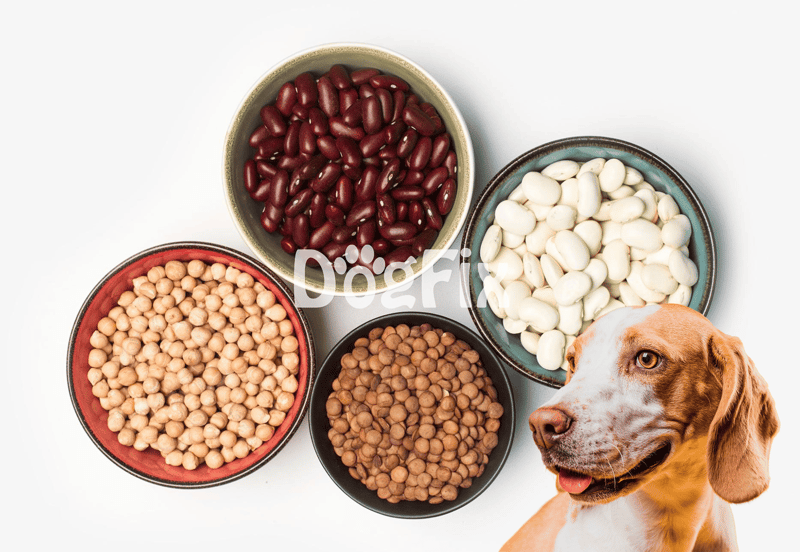
Canned ‘Baked beans’ should be avoided altogether because they contain high levels of sodium and sugar, which are harmful to dogs.
Lima Beans And Butter Beans
Lima beans and butter beans can be safe options for dogs when cooked and served plain. However, these beans are not as nutritionally dense as black beans and may not provide the same health benefits.
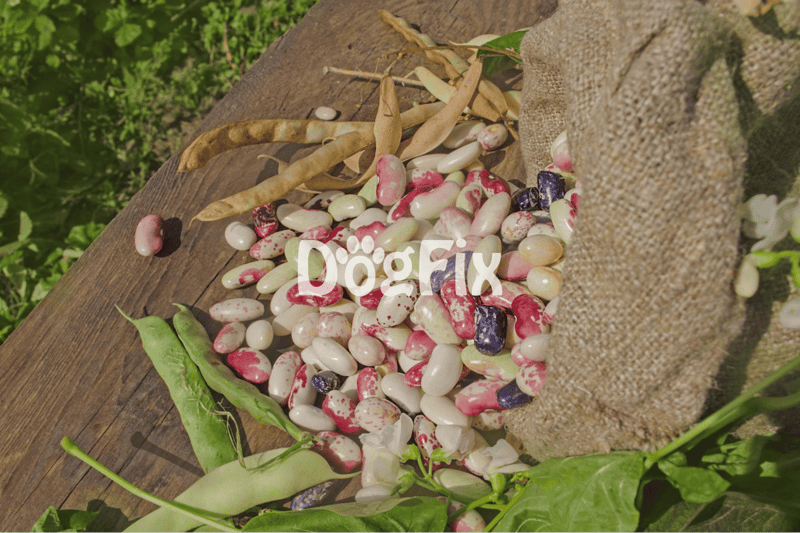
Fava beans should be consumed cautiously, as they can cause hemolytic anemia in dogs with specific genetic sensitivity to this bean variety.
In conclusion, not all beans are the villains in your fur buddy’s food tale. Black beans, coupled with a few of their bean buddies like the green, cooked kidney, and pinto varieties, can kick some serious nutritional goals in your dog’s diet.
Bean Basics: Your FAQs Answered
Are black beans safe for dogs?

Good news! Black beans are indeed safe for our fur buddies. They come with top-notch nutrients like fiber, potassium, and magnesium – nutrients your dog will give a howling “yes” to! Just one thing to note: hold back on any extra seasonings!
Should black beans be cooked before being given to dogs?
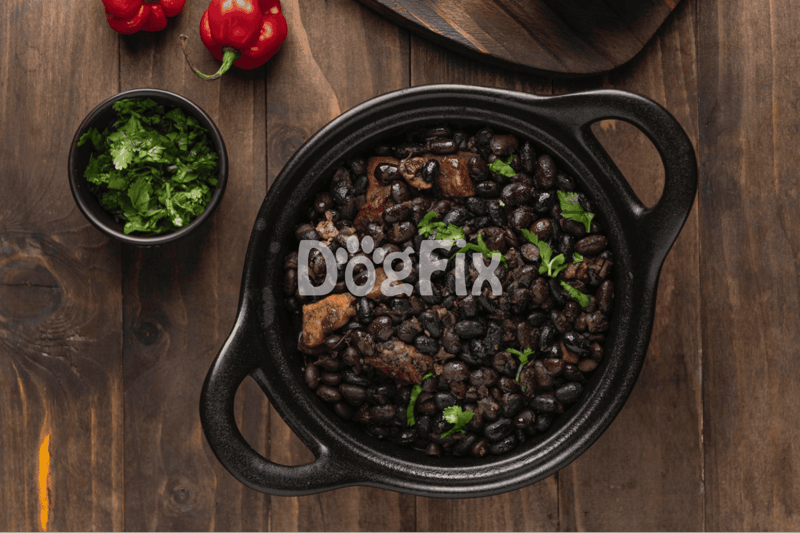
Simple answer? Cook ’em up! Cooking not only makes them easier to digest, it kicks any unwelcome substances to the curb. However, let the beans cool down before feeding them. We wouldn’t let our pals chomp on piping hot food now, would we?
How often can dogs consume black beans?
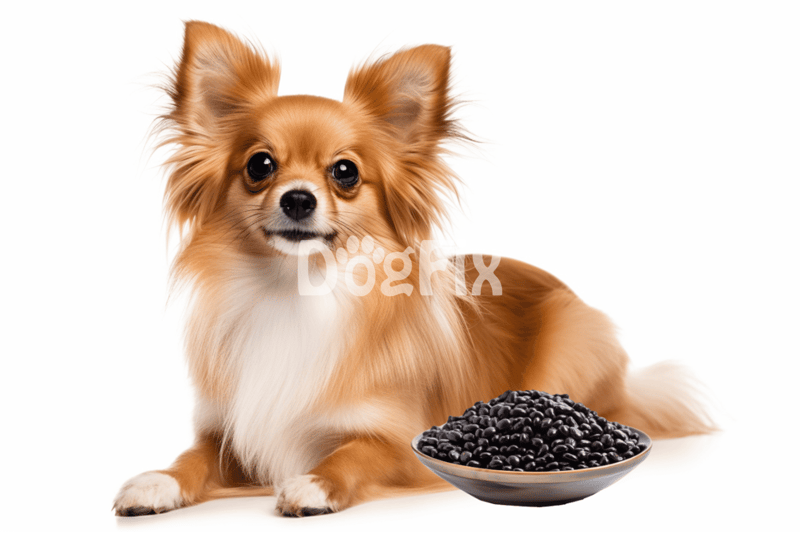
Your pooch needs them only occasionally or in small doses. Too much of this good thing could lead to a gas party in your dog’s belly. So watch your fur baby’s reaction and adjust the menu accordingly.
Can dogs eat black beans mixed with other foods?
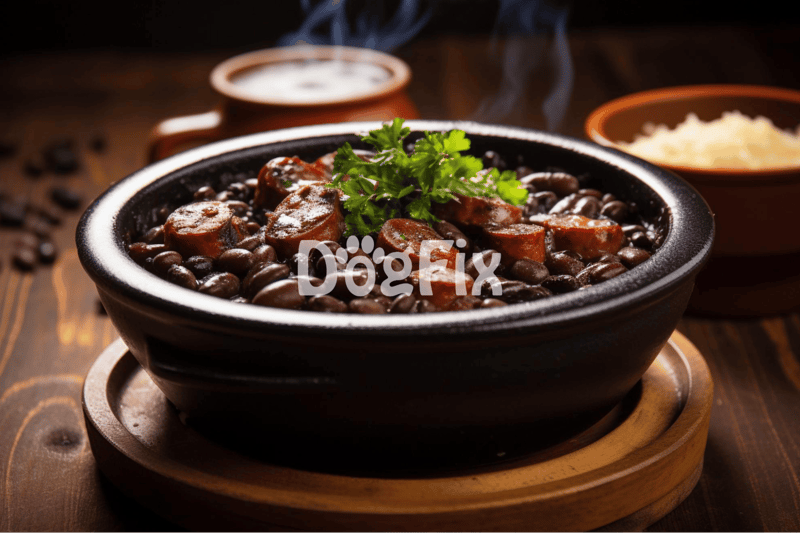
Yes, dogs can eat black beans mixed with other dog-safe foods. It’s essential to ensure that any additional ingredients are also dog-approved. Keep the no-go foods like onions, garlic, and certain nuts out of the doggie dish.
What is the recommended serving size for dogs?

Well, it depends on your dog’s size and weight. Start small is the mantra here. Observe, and if your pooch is thrilled, you can increase the portion. But remember, black beans are like your dog’s favorite treat – they should supplement the usual meals, not replace them.
Are there any bean types not suitable for dogs?
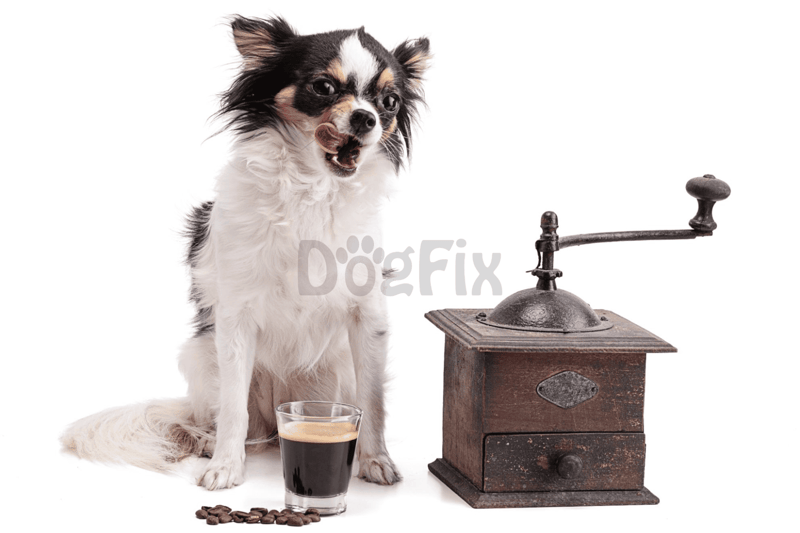
Aside from black beans, many beans are dog-friendly. However, steer clear from beans that are seasoned or spiced, they might upset your dog’s tummy. And definitely no coffee beans or cocoa beans! They contain caffeine and theobromine, a big-time no-no for pooches.
Quick Recap on Dogs & Black Beans

- Dogs can safely consume black beans in moderation for added nutrients
- Black beans provide protein, fiber, vitamins, and minerals in a dog’s diet
- Avoid feeding beans prepared with harmful ingredients like garlic, onions, or excess salt