
Can Dogs Eat Olives?

Hey there, fellow dog parents! So, you’re hanging out in your kitchen, munching on some olives, and your canine buddy saunters up with those irresistible puppy-dog eyes.
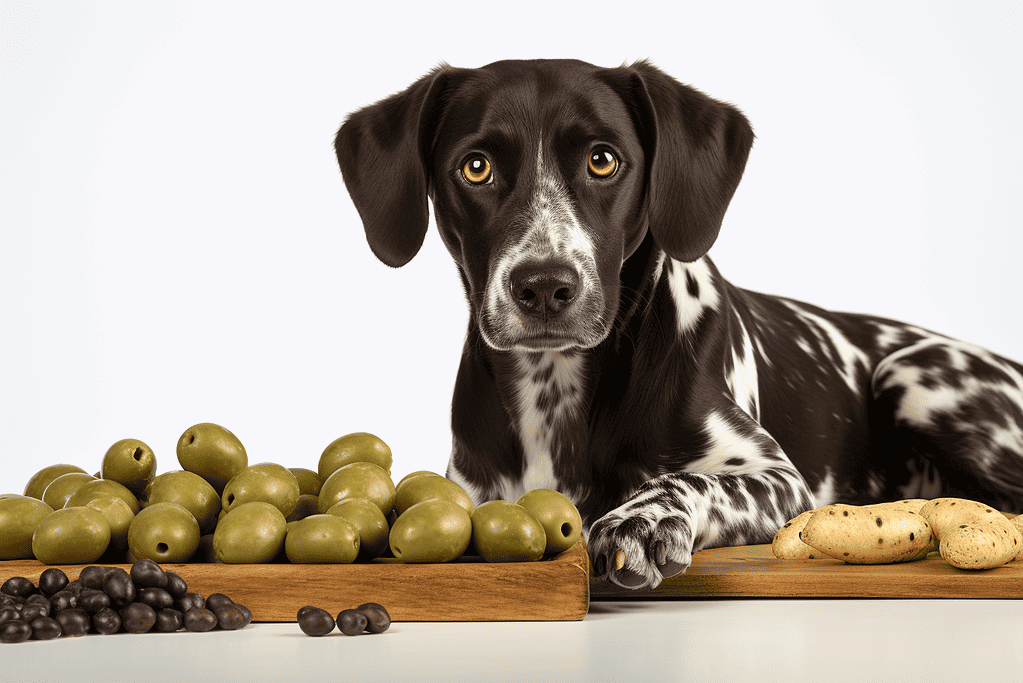
And now you’re wondering, “Can pooch snack on olives too?” Well, the quick answer is – yes, but not without some care being taken.
Despite what you might’ve heard on the doggie grapevine, olives aren’t toxic to our furry pals. However, before you start tossing olives at your dog like they’re fetching balls, let’s talk about the finer details.
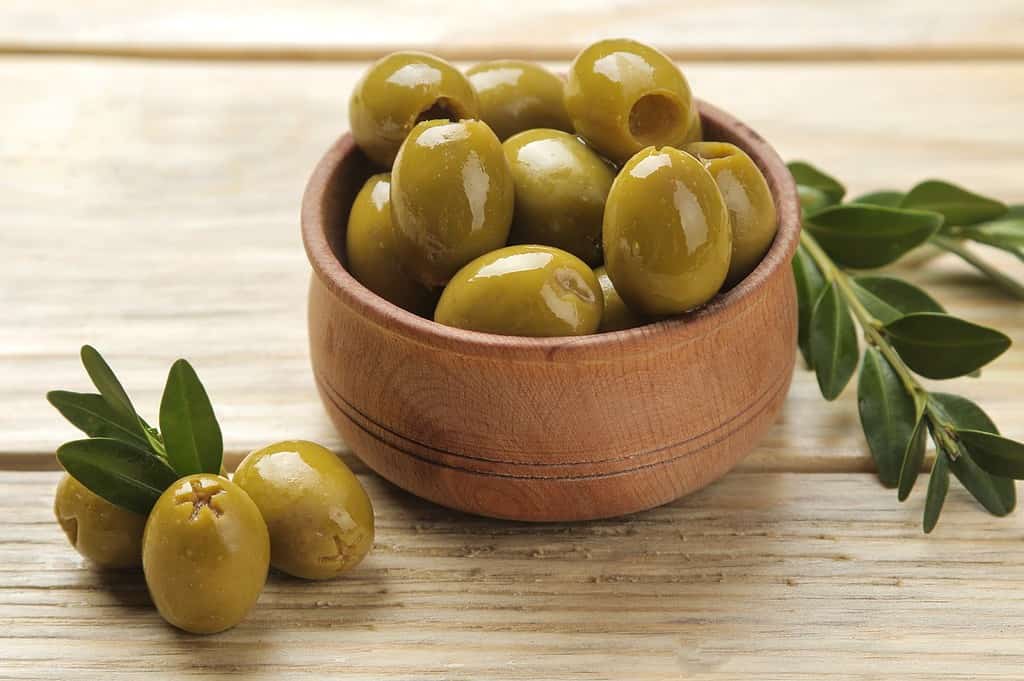
Love olives? They’re packed with good stuff! But guess what—your dog’s already getting what they need from their regular chow. So, no worries if they skip the olives; they’re not missing out.
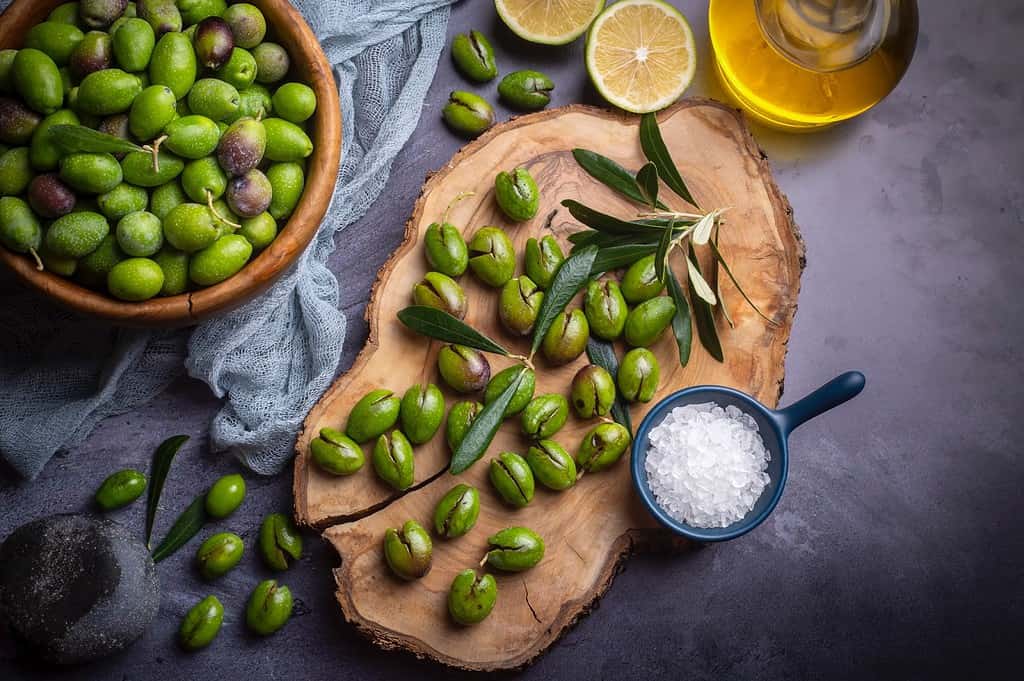
But here’s where things take a little twist: consider the olives’ salty and fatty content. Like humans, dogs must watch their salt and fat intake to keep their tails wagging happily. Plus, let’s not overlook the choking hazard of those sneaky olive pits.
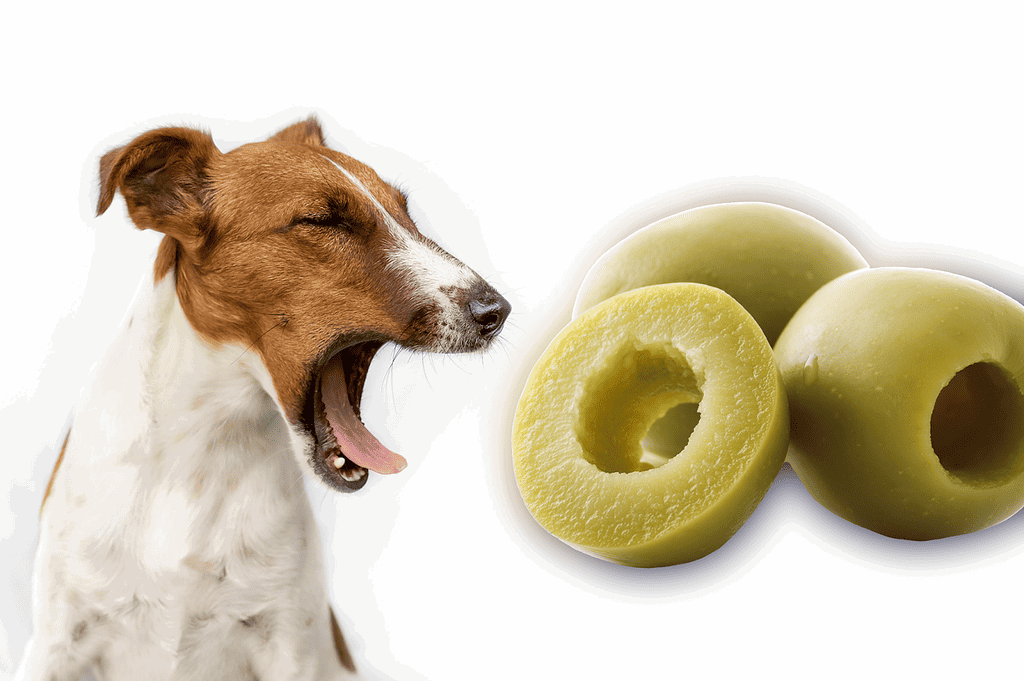
So a pitted olive or two served as an occasional treat for your fur buddy? That’s all fine. But turning olives into your pooch’s regular main snack? Maybe not the best idea.
Remember, when it comes to olives and our furry pals, moderation is key! The last thing we want is our dogs to have olives tumbling out of their mouths like a broken pinata!
Potential Benefit of Olives for Dogs
There are, to be clear, genuine health benefits for our dogs if they enjoy a few olives.
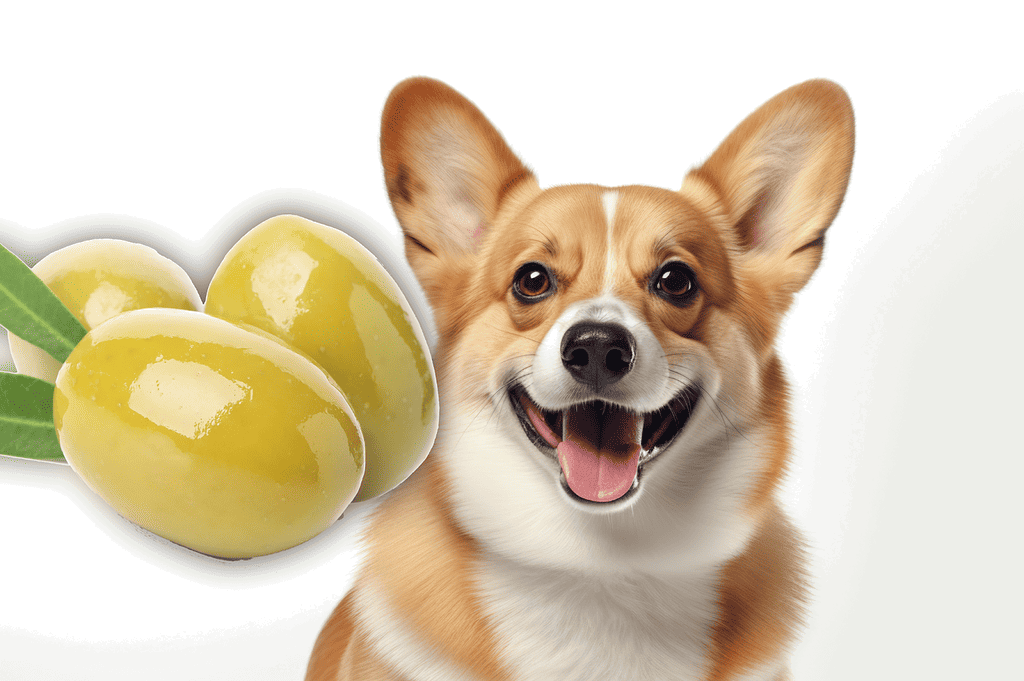
Apart from their munch-worthy deliciousness, olives can bring some ‘pawsome’ health benefits to our canine companions.
Healthy Fats
These tiny, yet mighty, fruits overflow with vitamins, minerals, antioxidants, and healthy fats that can give your fur pal a healthful pat on the back.
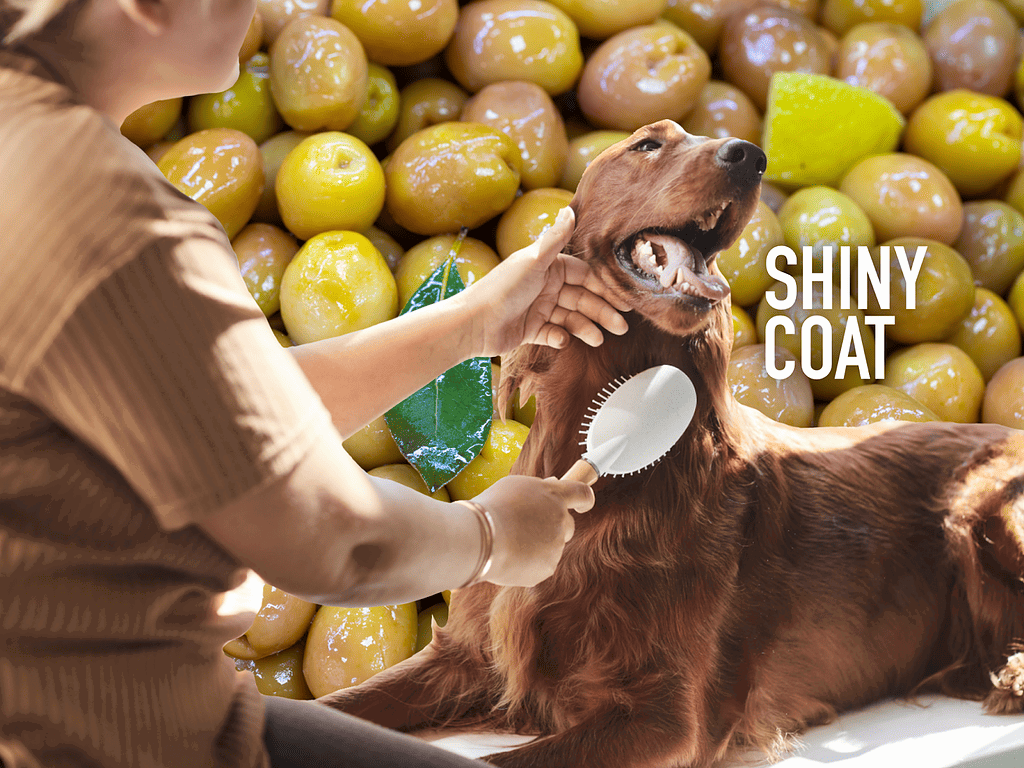
Probably the coolest thing about olives is their high content of monounsaturated fatty acids, mainly oleic acid. These healthy fats improve skin and coat health, giving your pet a shiny appearance.
Multivitamins
But wait, there’s more! Olives aren’t just about healthy fats. They’re like an all-in-one multivitamin, loaded up with vitamins A, E, and K, plus iron, calcium, and potassium.
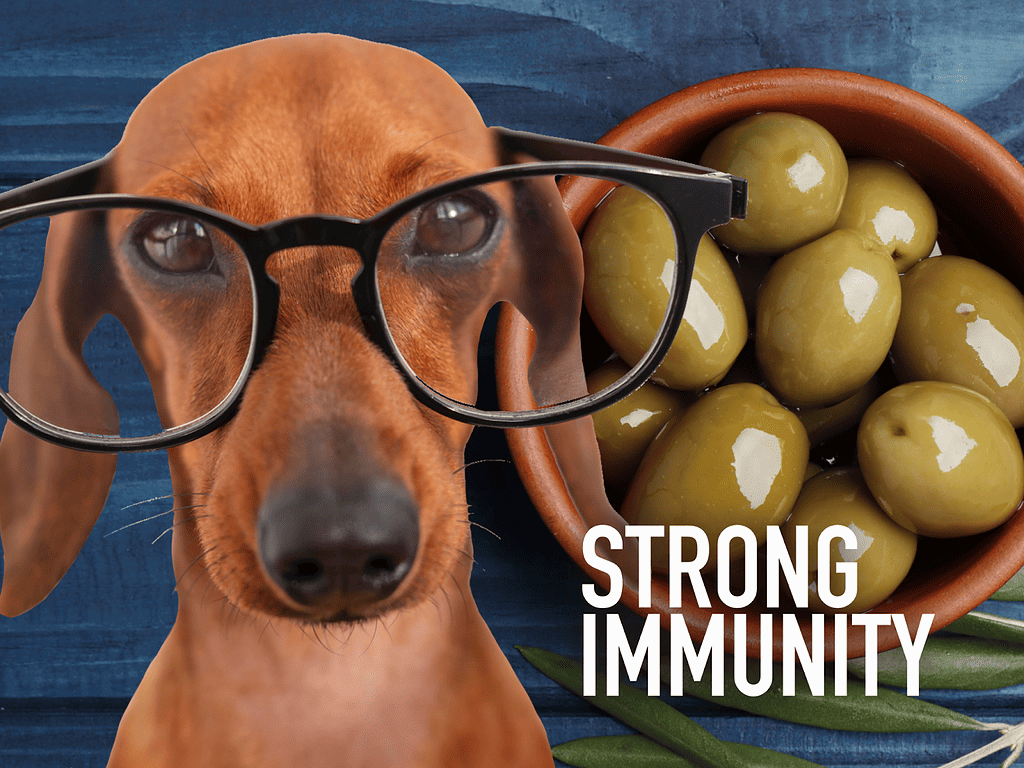
These crucial nutrients form the ‘A-Team’, supporting your dog’s immune system, vision, and bone health.
Antioxidants
And yes, they have antioxidants, too! Picture these as little warriors waging war on cell-damaging free radicals and reducing inflammation.

Plus, they’ve got your dog’s back by boosting cognitive health and helping to guard against some types of cancers!
Anti-inflammatory Benefits
Even more, olives come with anti-inflammatory properties.

Thanks to compounds like polyphenols, olives can ease inflammation — a big win for older fur buddies dealing with pesky conditions like arthritis.
So, there you have it – the olive low down. But remember, quantity matters. A few here and there is enough for most dogs. Don’t overload your canine chums with too many, however much they might like them.
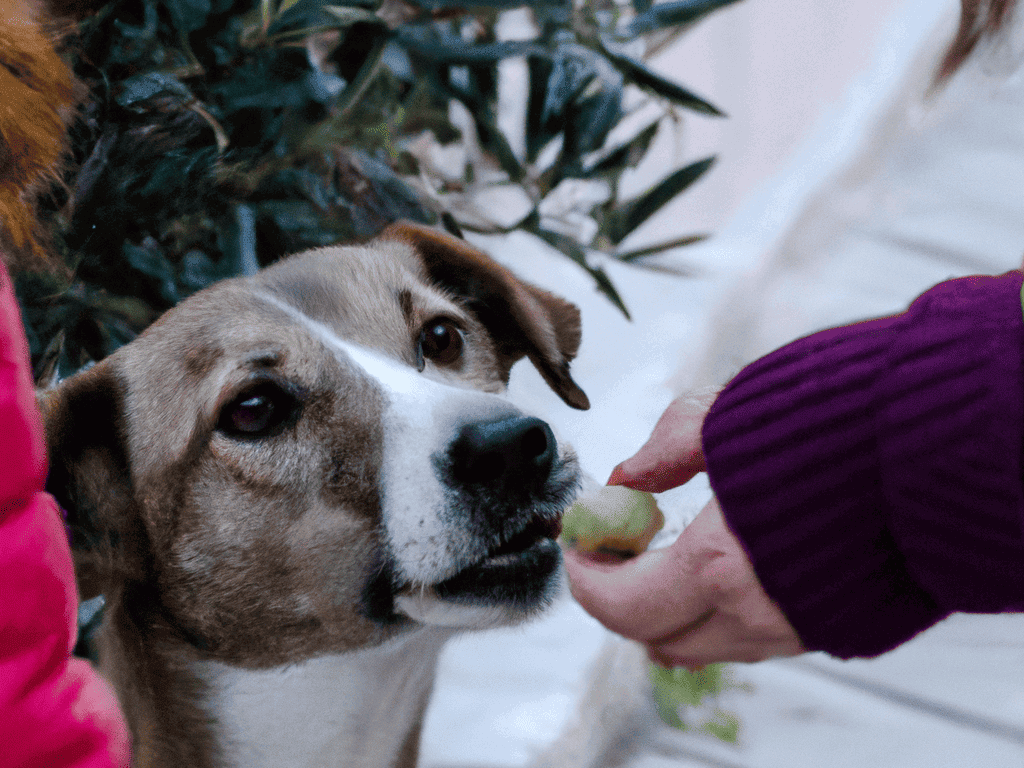
And as with any treat, your veterinarian should have the final word. Take advice before popping olives in your pup’s kibble! As a responsible owner, always make sure any dietary treat is right for your dog.
The Risk Factor
Now that we’ve discussed the health benefits of olives, let’s flip the coin and discuss some risks.
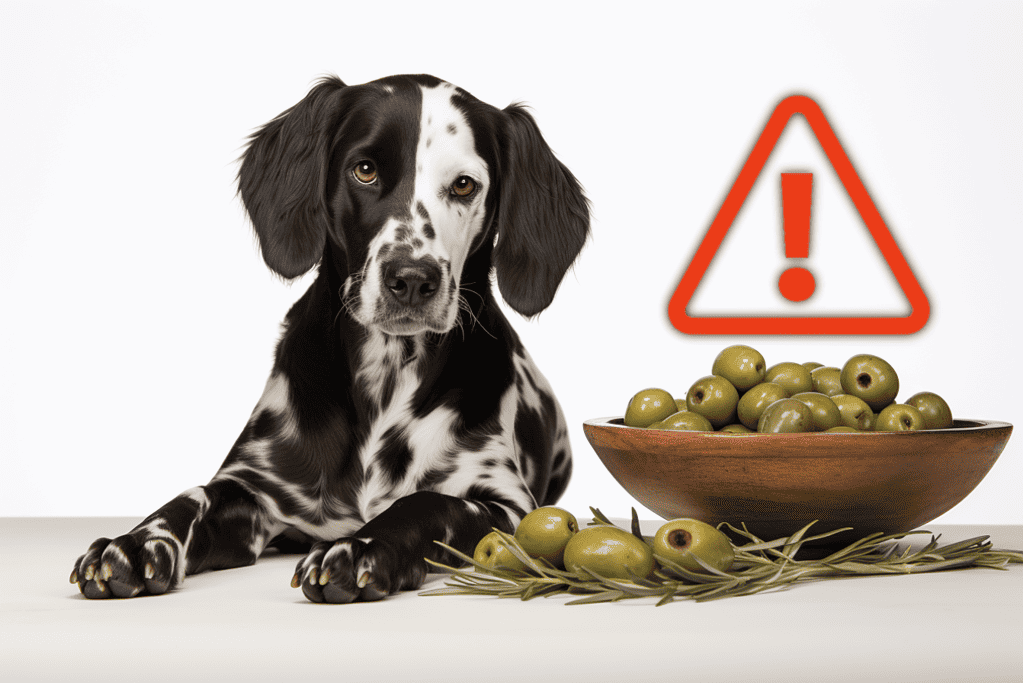
While we’ve established that olives aren’t the doggie equivalent of kryptonite, some factors can take these tasty treats from a high-five to a no-dive in your pooch’s diet.
Choking Hazard
Let’s start at the core—the olive pit. Feeding olive pits to dogs is like handing them tiny grenades – it’s a no-go!
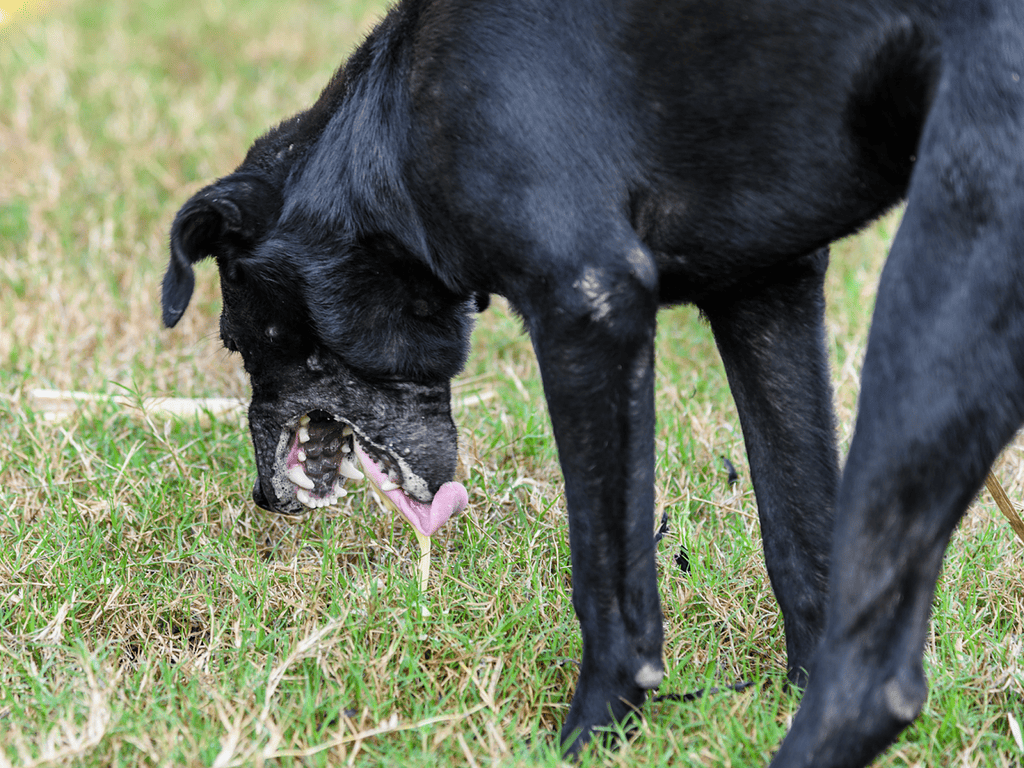
These pits pose a choking threat, could jam up your dog’s digestive system, and can even crack its teeth. So, de-pit those olives before turning them into pooch snacks.
High Salt And Sodium Content
Olives can be high in salt or sodium, leading to health issues such as dehydration, electrolyte imbalances, and increased blood pressure in dogs.
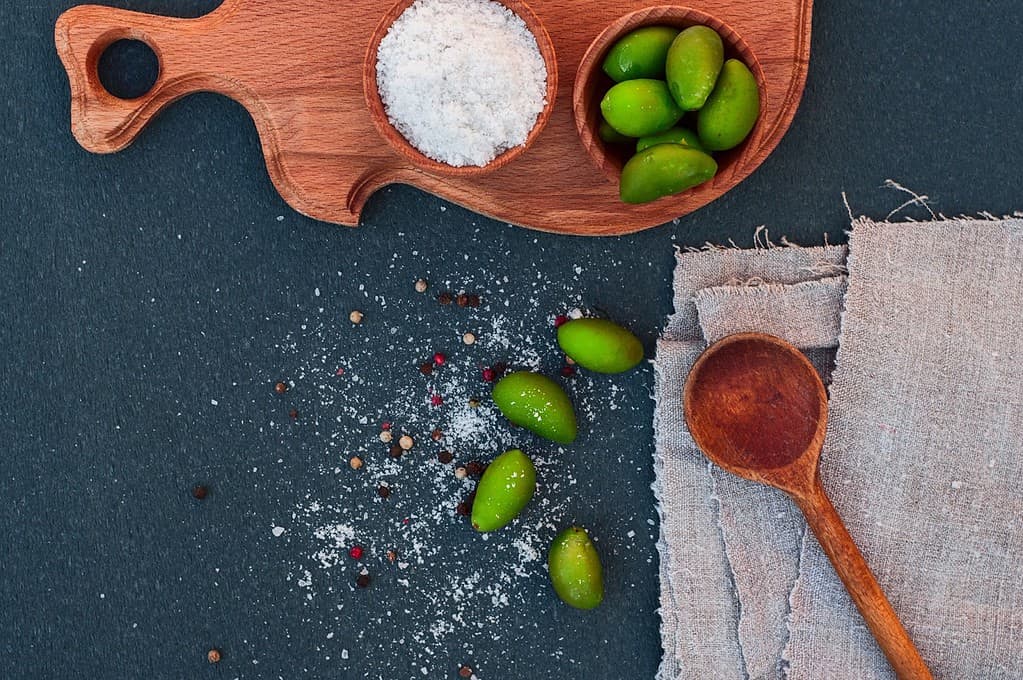
The solution? Stick to low-sodium or unsalted varieties for your fur pal’s snack time.
Gastrointestinal Problems
While the fat content in olives is mostly composed of healthier monounsaturated fats, it’s essential to note that dogs would still consume unnecessary calories since they don’t need the added fat in their diets.

So stick to the golden rule: moderation! This will help prevent gastrointestinal problems such as stomach pain, vomiting, or diarrhea.
Sneaky Ingredients
Watch out for the undercover culprits often hiding in olives, like garlic, onions, spices, and certain cheeses (like blue cheese or feta).
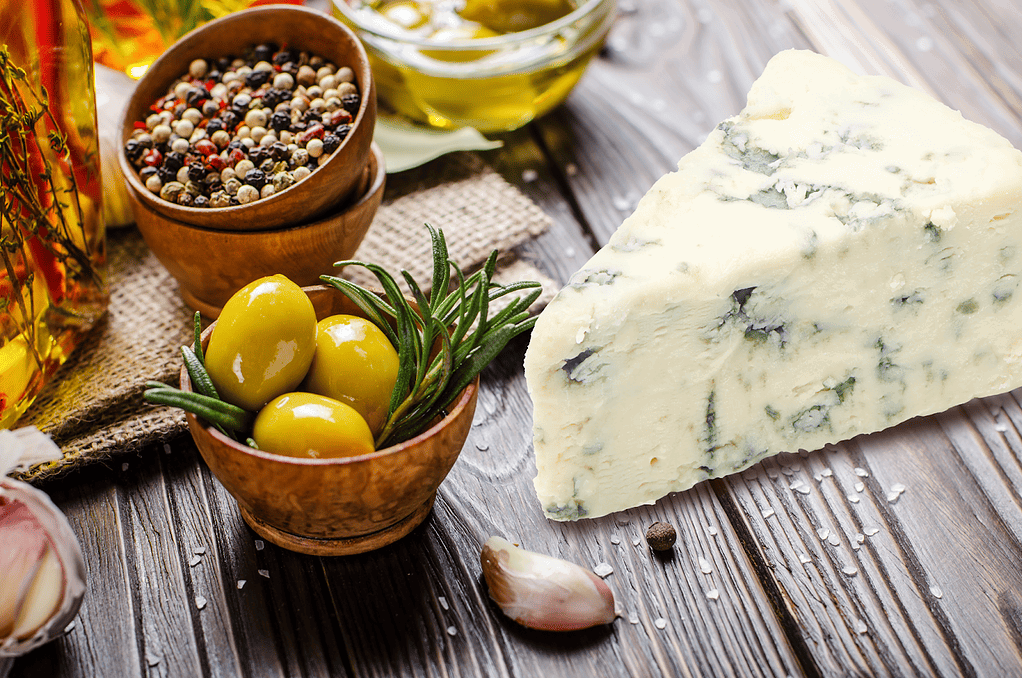
Some of these, like garlic and onions, can lead to anemia in dogs. And the mold in some cheese types can be a trigger for muscle tremors and seizures.

Another sneaky hazard is alcohol. Olives might seem innocent, but some are marinated or cooked in alcohol – which for us is doggie poison! It can cause everything from vomiting and coordination issues to breathing difficulties or, in severe cases, even death.
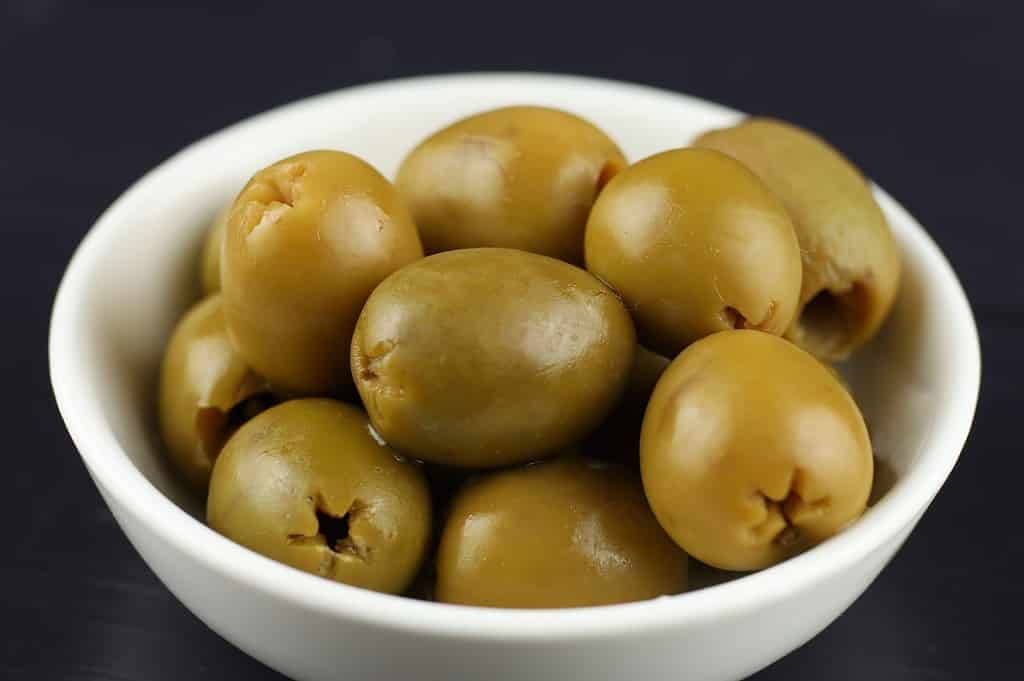
So, what’s the bottom line? Stick to plain, pitted olives in moderation for your dog, avoid harmful ingredients, and, as always, chat with your vet before moving olives from your plate to your fur friend’s bowl. Remember – an informed dog owner is the best dog owner.
Enjoying this read?
We publish this content for free to generate interest in our Premium members' area. By subscribing, you can ask the writer any questions related to pet care and this article, get access to 100+ Premium Pet Care Guides and go Ad-Free with DogFix Premium for $2.99.
Olive Products for Dogs
Olive Oil
Good news! Olive oil isn’t just for making our salads taste heavenly or pretending to be a Mediterranean chef. It’s also safe for our dogs to consume (in tiny amounts, of course).
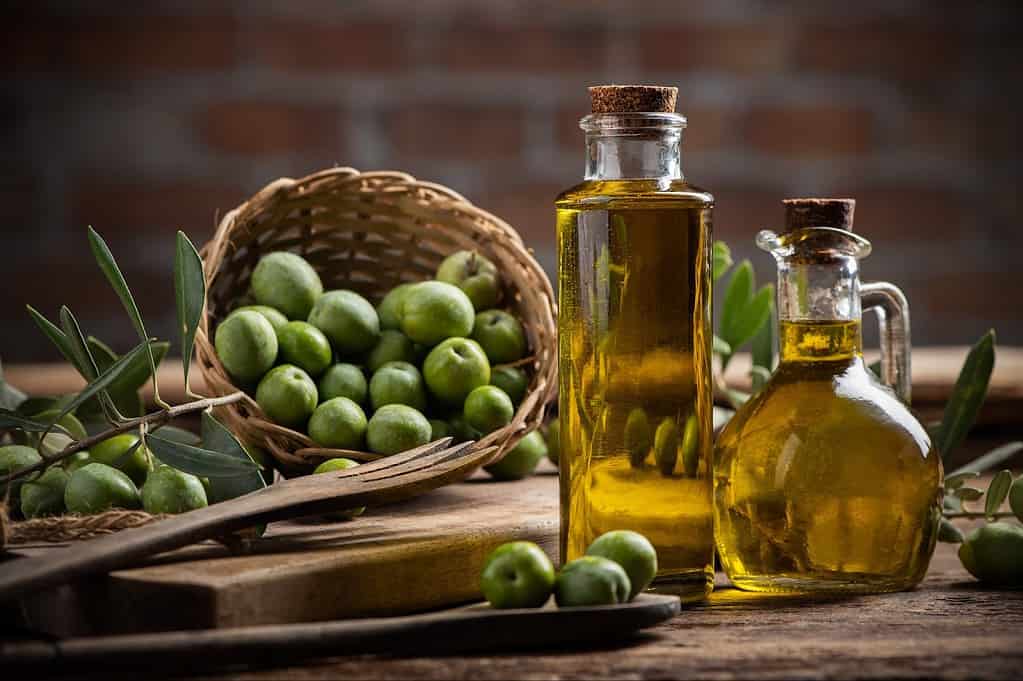
Rich in beneficial fatty acids, a dash of olive oil can improve immune function, skin health, and a shinier coat.
Stuffed Olives and Pimentos
Now, how about other olive products? You know the ones: stuffed olives and pimentos. Unfortunately, these are a big NO!
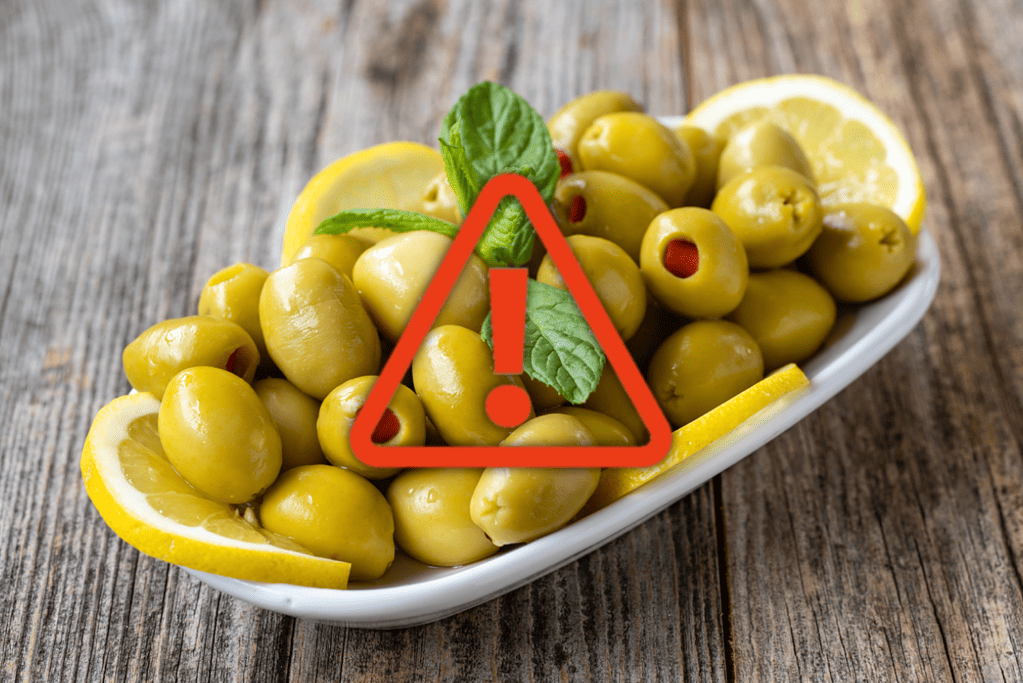
Stuffed olives often contain garlic or onions. While they taste great to us, they’re toxic for our fur pals and can cause nasty health effects.
Marinated Olives
They might seem like a fancy treat, but they’re filled with sodium and spices that could turn your dog’s tail wag into a slow wobble.
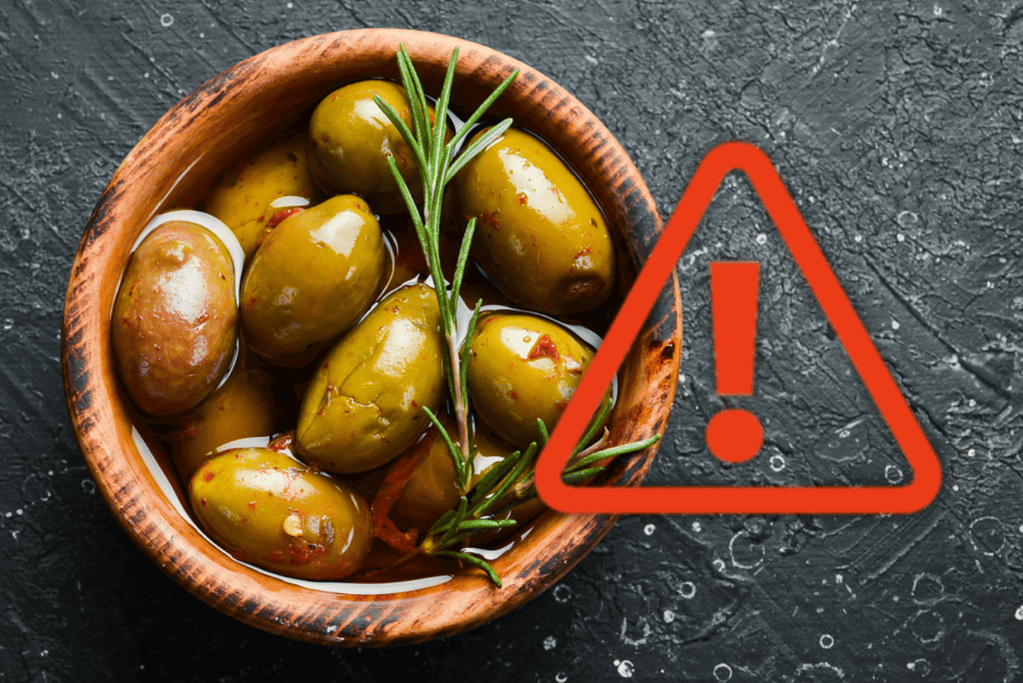
Consuming excessive amounts of sodium can lead to dehydration, electrolyte imbalance, and even kidney damage in dogs, so let’s leave the marinated olives for our human appetizers.
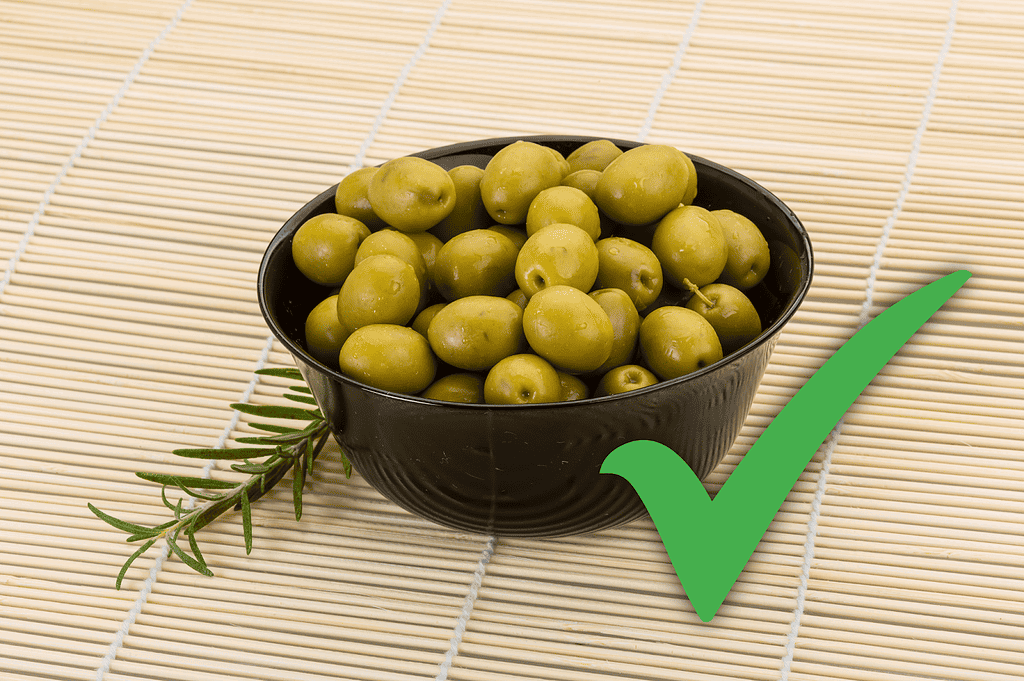
So, what type of olives passes the pooch safety test? Plain olives with no frills that are unsalted and pit-free are the winners. Just be aware that some olives can still sneak in higher sodium levels than others, so it’s something to keep in mind.
Olives and olive oil can therefore be a cool addition to your dog’s diet. But be sure to avoid stuffed and marinated olives like the plague, and always choose plain, unsalted, pit-free variants.
Follow the same guidance when choosing your olive oil too: avoid hazardous extra ingredients or flavorings. That’s the game plan for keeping your dog’s tail wagging and their health in check!
Your Q&A Guide to Dogs and Olives
Can Olive Oil Join the Doggie Diet?
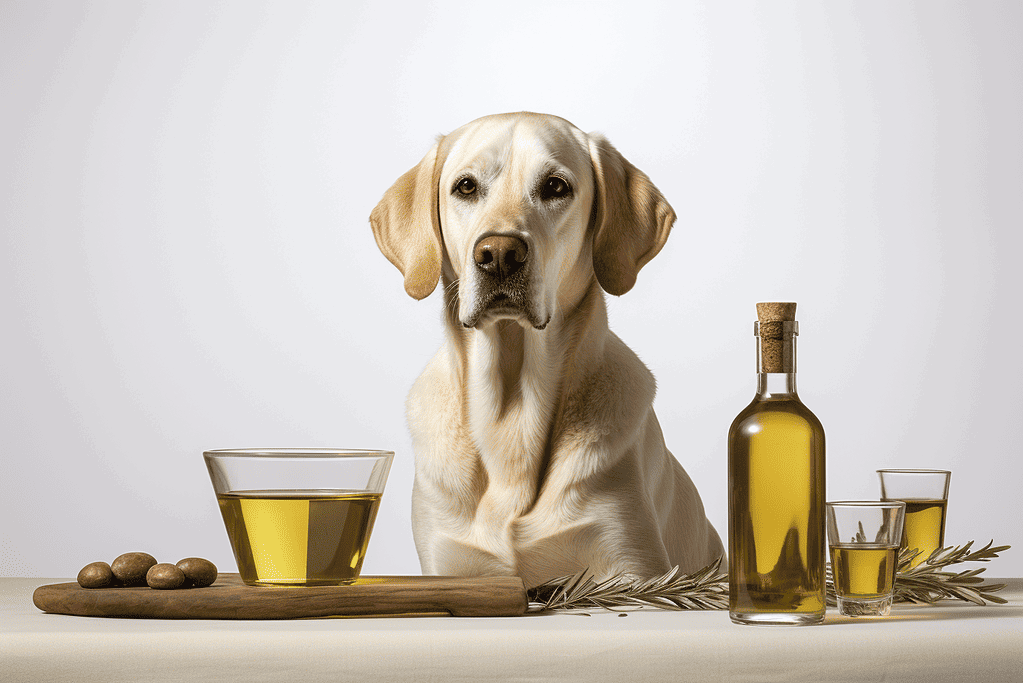
Your dog can eat olive oil, but only a touch. It is often found in the ingredients list of commercial dog food and treats. Olive oil is not toxic to dogs and can even be a healthy addition to their diet, but only in very small amounts.
Green Olives – Yay or Nay?
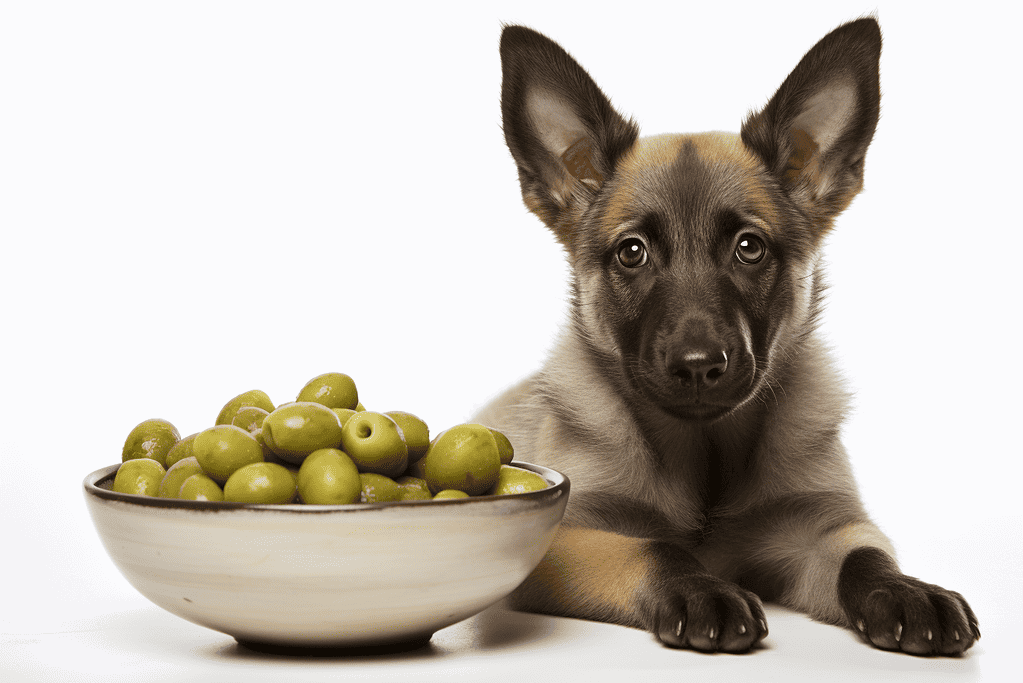
Green olives? Yes, they can! As always, however, moderation matters – and make sure they are pitted.
How About Kalamata Olives?
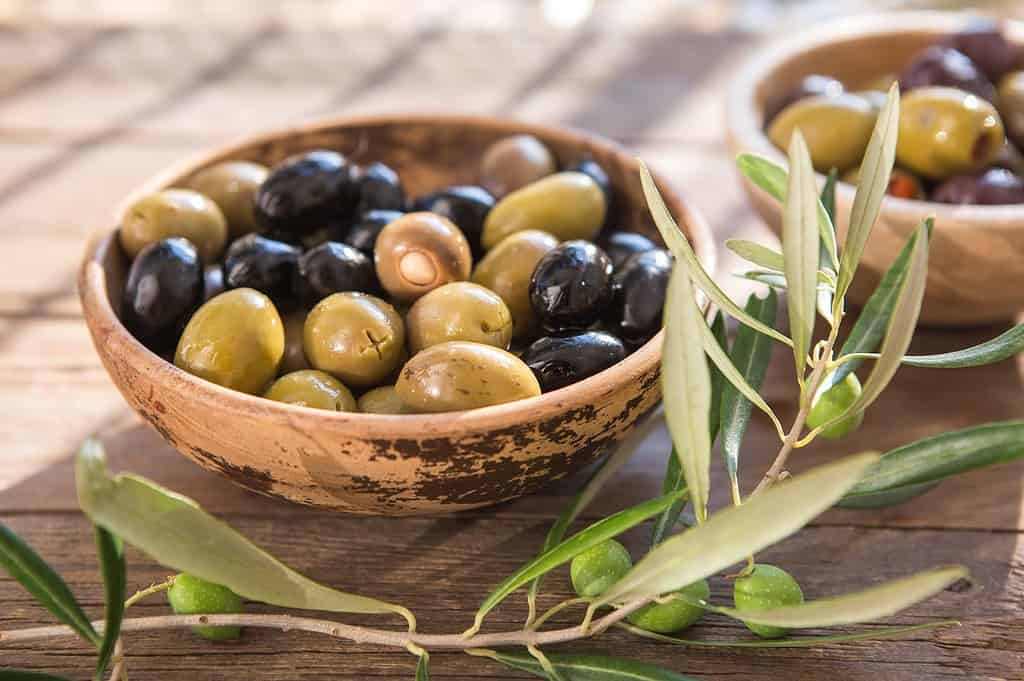
Kalamata olives? Sure thing, but remove the pit first. We don’t want our fur pals to choke or have a tummy ache.
Olive Stuffed with Pimentos – Good or Bad?
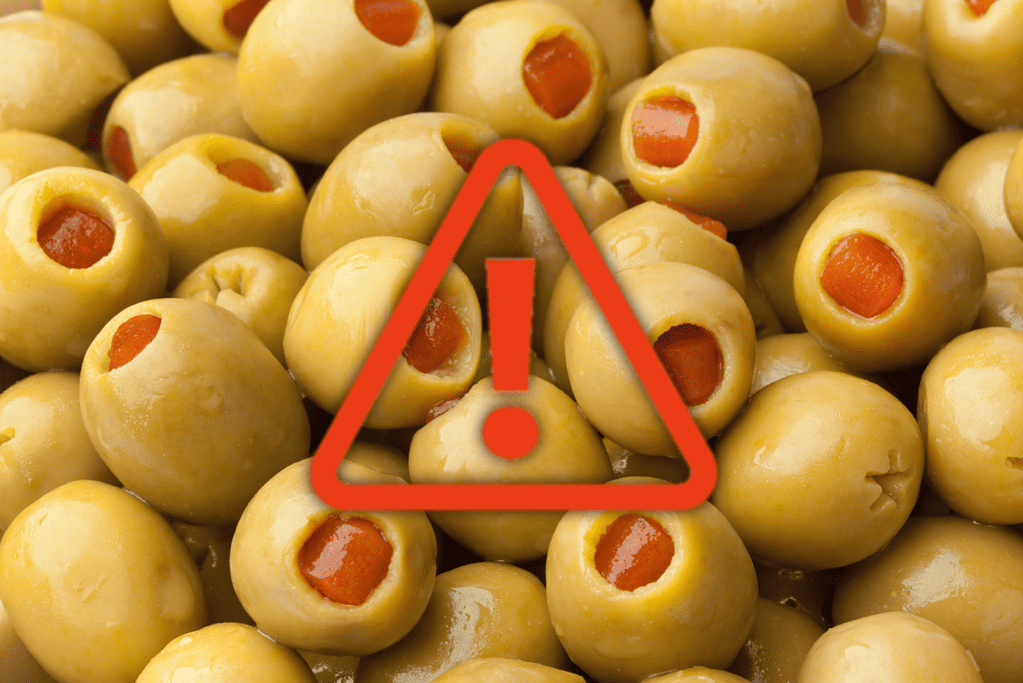
Pimentos aren’t toxic but can mess with your dog’s stomach if they eat too many. So best to avoid them.
Can Dogs Eat Jarred Olives?
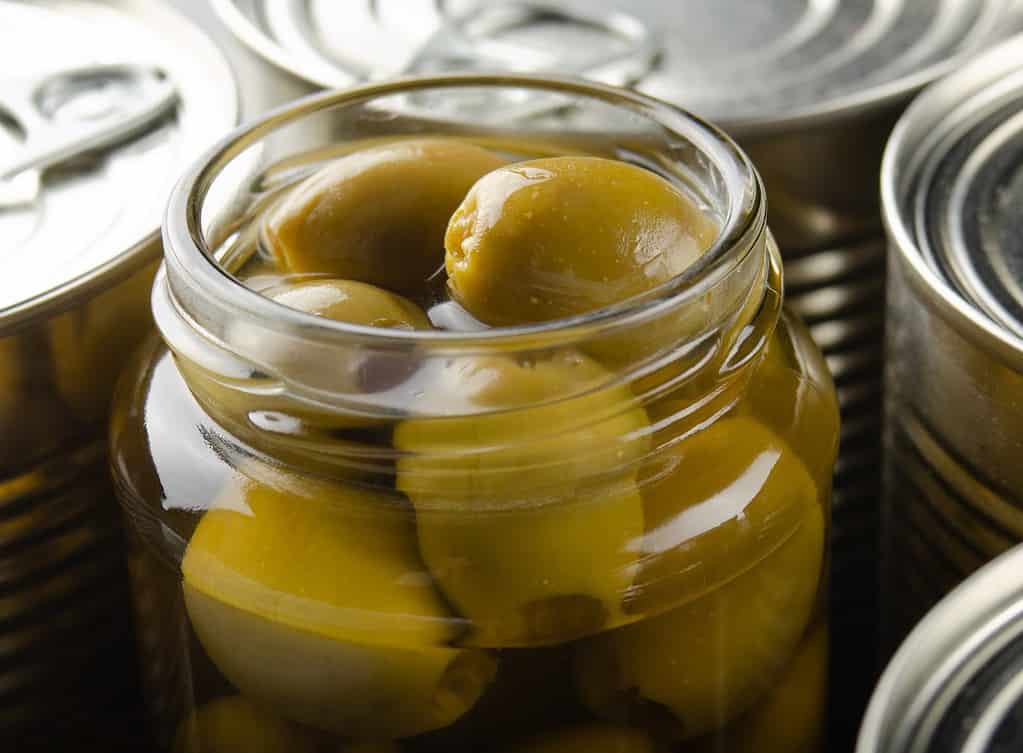
Jarred olives are okay, but check the ingredients first. If there’s no added salt, onion or garlic, they’re good to go.
Green v Black Olives: Which Can Dogs Eat?
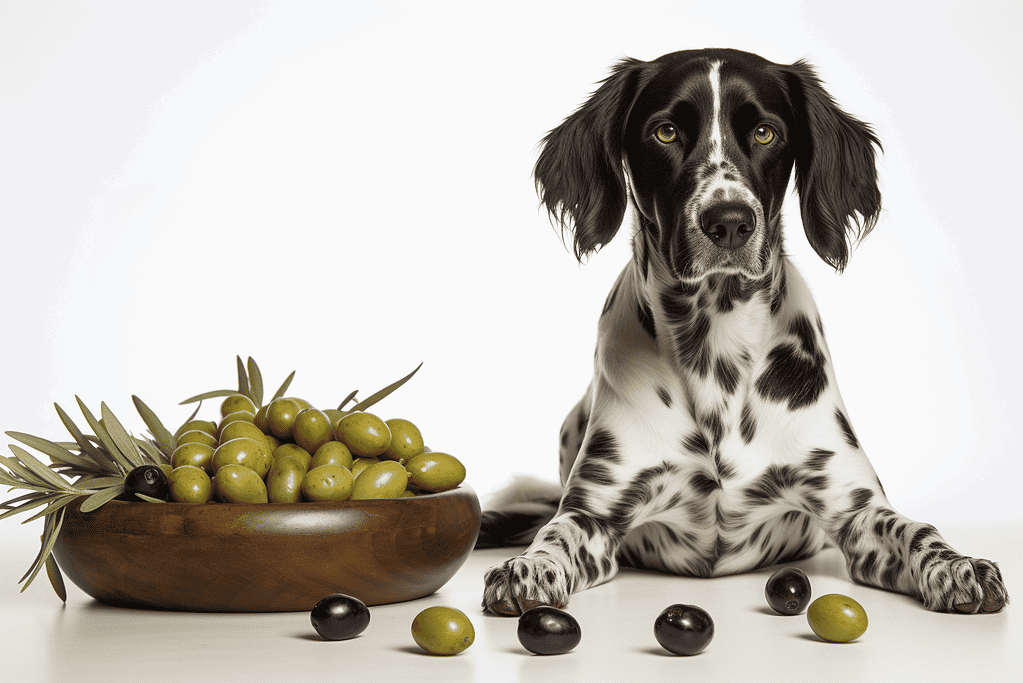
Both olives are not toxic to dogs and contain vitamins and minerals. However, ensure your dog is already receiving a complete and balanced diet. The additional olive nutrients should be an extra treat.
What You Need To Remember
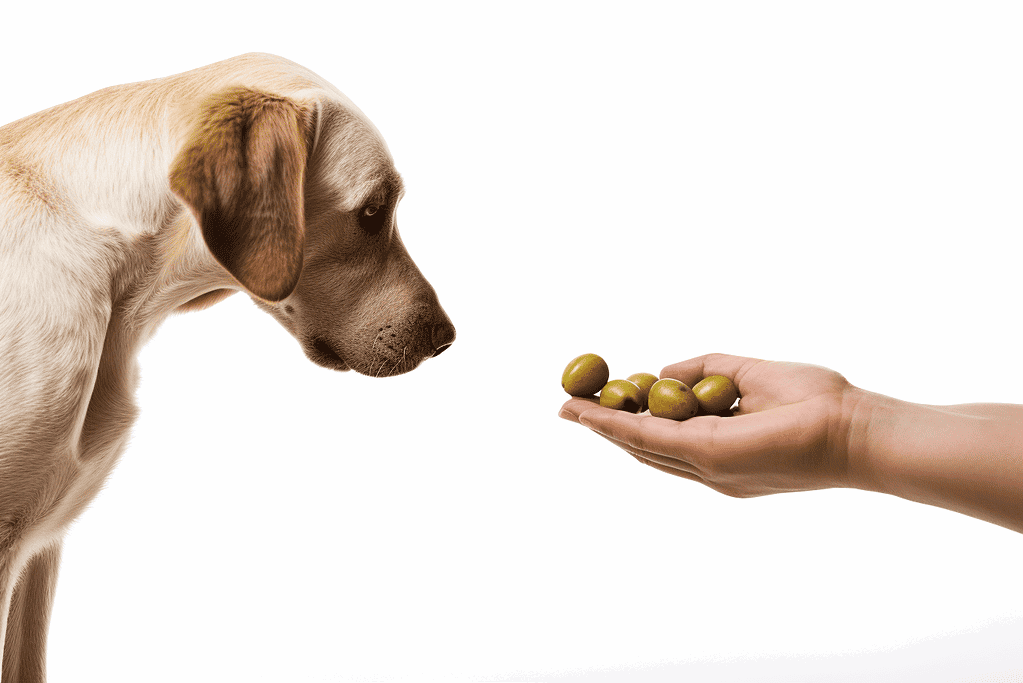
- Dogs can eat olives in moderation, as they are not toxic to canines.
- Providing too many olives may be harmful due to their high salt and fat content.
- Unpitted olives should not be given to dogs due to the choking hazard they pose.
.