
Can Dogs Eat Salmon?

So you’re wondering, ‘Can my fur buddy tag along with me on my Salmon Sunday ritual?’. After all, your pal isn’t just your regular Netflix binge buddy; they appreciate a classy dining experience too! You’ll be glad to know that, yes, salmon can be on the menu for your pedigree chum.
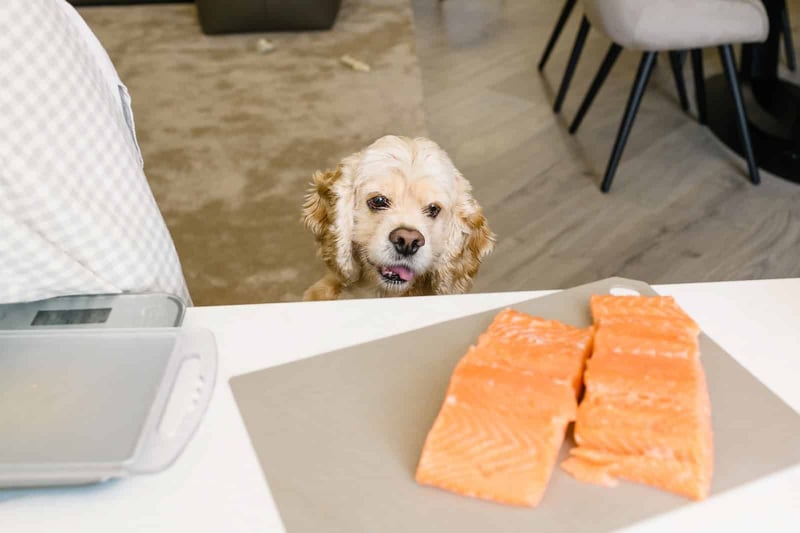
Overflowing with those crucial omega-3 fatty acids, salmon can give your dog’s immune system a nice boost, ease inflammation, and get that fur coat healthy and shiny.
But we’re about to serve you an important reminder!
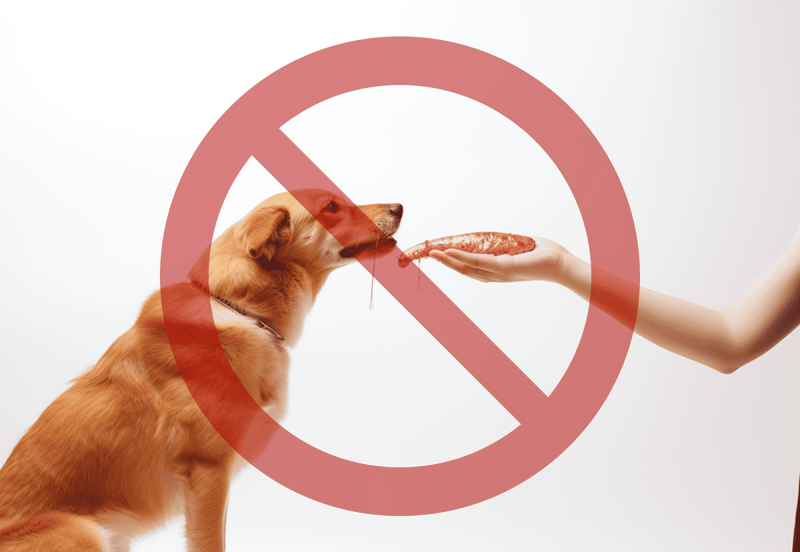
Serving raw fish to your dog is a big no-no. Just like that time when you ate the questionable sushi and…well, you know the rest.
Your fur friend can also risk severe sickness with raw fish because of harmful bacteria and parasites that might hitch a ride. So, keep it cooked and keep it safe!
The Benefits of Feeding Salmon to Dogs
Ever wondered why your fur buddy gets over-excited around the BBQ when you’re grilling salmon? Well, it’s more than just the irresistible aroma.
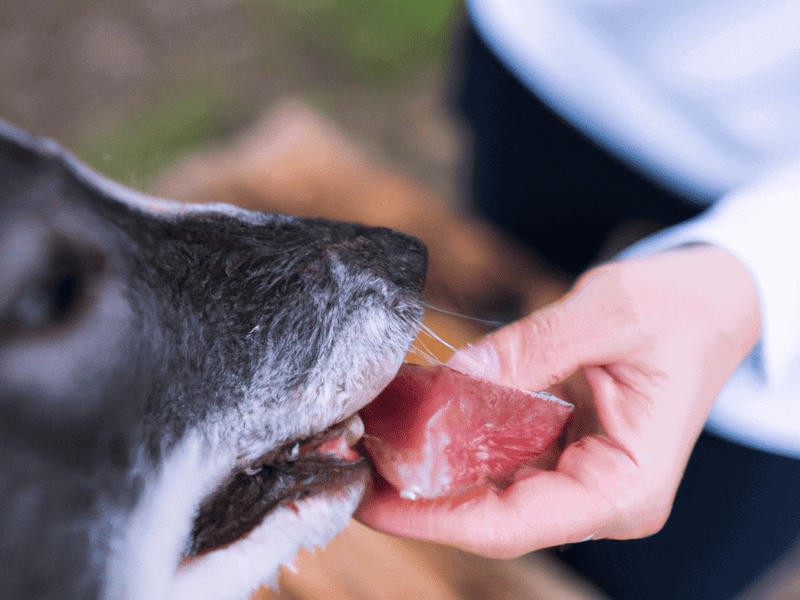
Salmon is like a goodie bag for your pup’s health, packed with protein and omega-3 fatty acids. Think of it as the spinach to your pooch’s Popeye.
Omega-3
So what’s the big deal with Omega-3? Firstly, it keeps any inflammation or joint issues at bay, making it perfect for pooches struggling with arthritis.
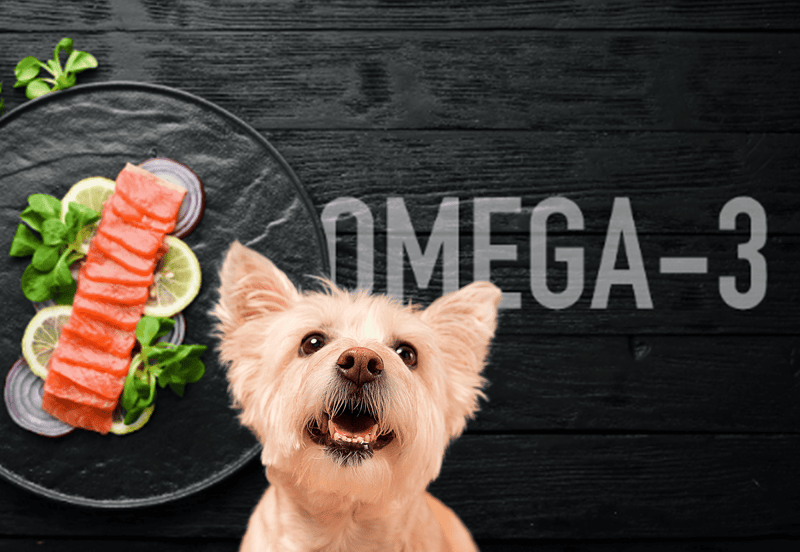
Omega-3 also lends a helping paw to reduce the occurrence of dry, itchy skin and promotes a shiny, lustrous coat. Let’s face it, nobody wants a dog that sheds more than a Christmas tree.
Protein and Vitamins
But there’s more! Salmon adds some much-needed protein to your dog’s dinner plate. This crucial component of the fish diet helps muscle development, mends tissue damage, and generally keeps your pup’s overall health in check.
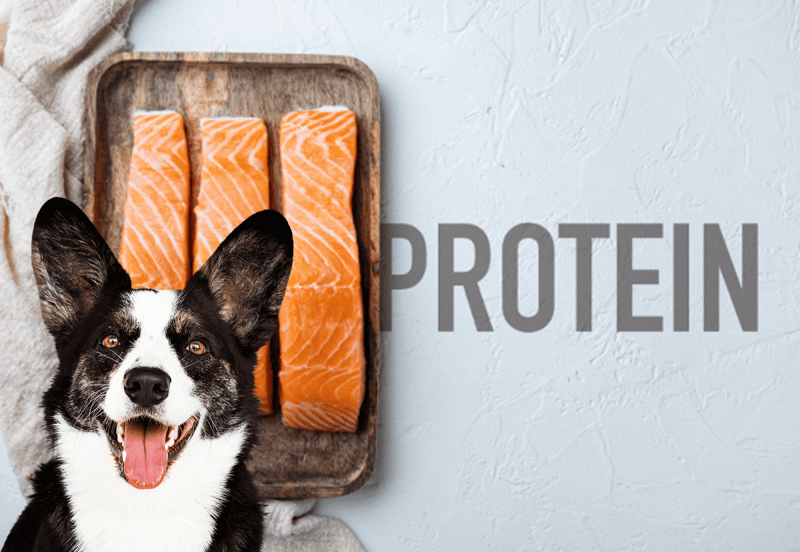
Plus, with a booster shot of vitamins, minerals, and antioxidants, you’re more or less gifting your pooch an immune system as strong as a fortress.
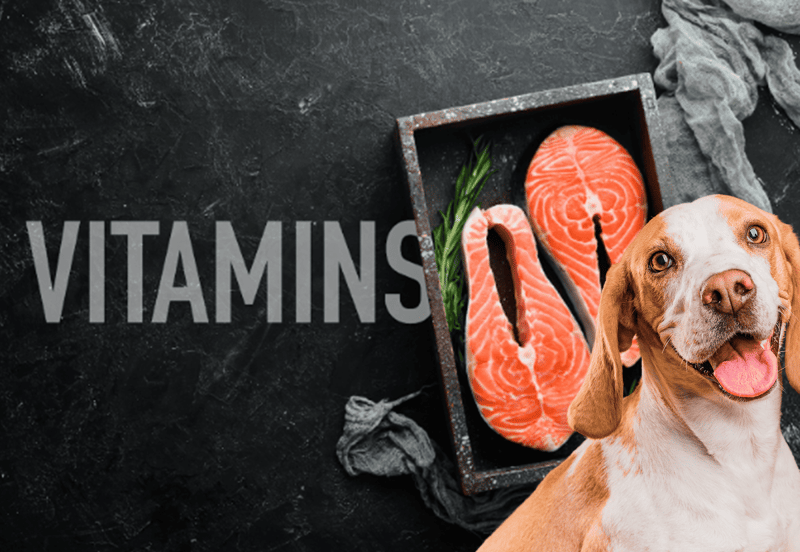
From vitamin A, making sure your dog’s eyes are healthy, to vitamin B12 and a bunch of other B vitamins working undercover to maintain a healthy nervous system and metabolism, salmon offers your dog a great health boost.
And let’s not forget that collagen supports joint health and reduces the risk of arthritis symptoms.
To wrap it all up, including salmon in your dog’s diet can be like a grand-slam health kick for them. Think less inflammation, a fortified immune system, a healthy nervous system, and a shiny coat.
Potential Risks of Raw Salmon
Parasites
Raw salmon has a parasite called Neorickettsia helminthoeca that causes salmon poisoning disease (SPD).
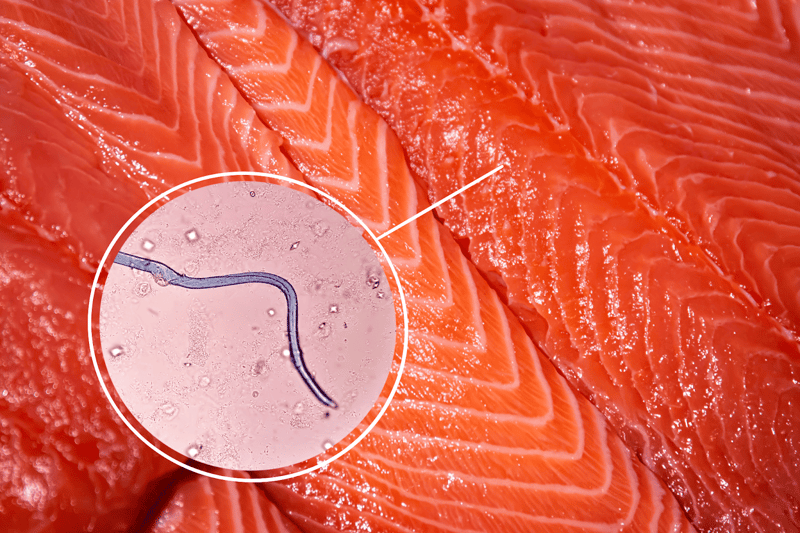
This is an exclusive illness dogs can get, and it is no fun – we’re talking potentially dog-life-threatening here.
There’s another parasite called Nanophyetus salmincola that can pull off quite a nasty stomach upset. When dogs ingest raw salmon contaminated with these parasites, they might exhibit symptoms such as diarrhea and vomiting, signaling the need for immediate medical attention.
Bacteria
To make things worse, harmful bacteria can also be present in raw salmon.
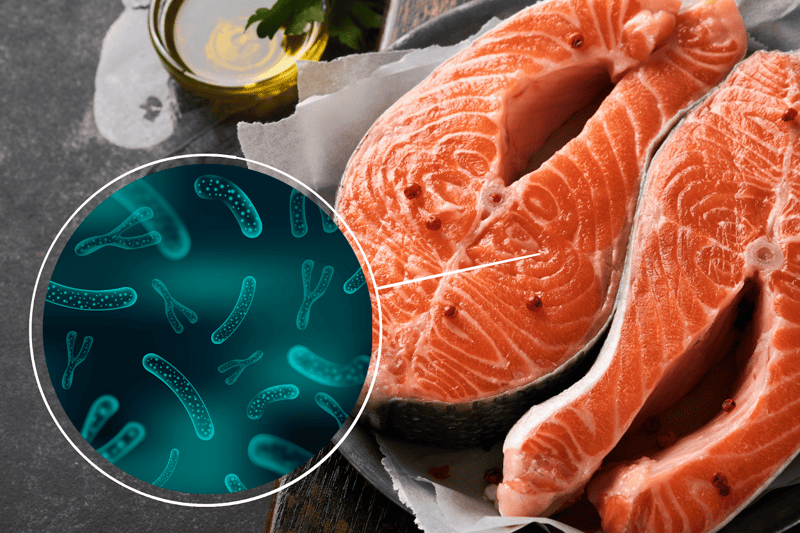
Consuming salmon contaminated with potentially harmful bacteria may lead to digestive problems, further emphasizing the need for caution when feeding dogs raw fish.
Cooked Salmon
To minimize these risks, serve cooked salmon to dogs instead of raw or undercooked fish.
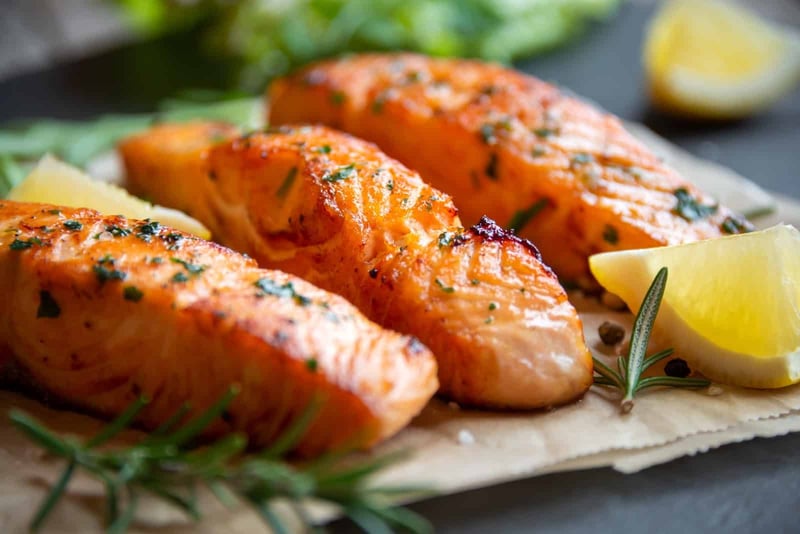
In addition, pull out those pesky bones before serving them up, in order to prevent potential choking hazards and injury from ingested bones.
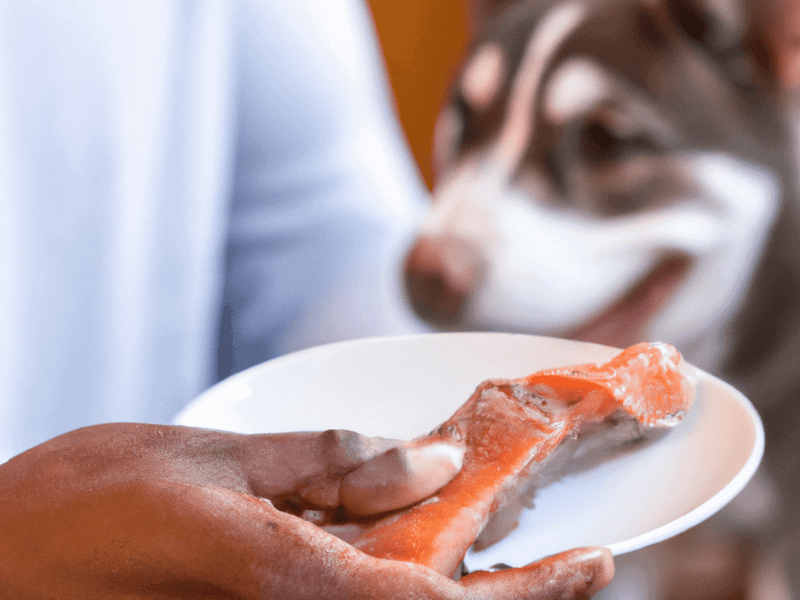
So, remember, next time you think of serving your fur buddy a sushi-style salmon, think again. Stick to cooked and deboned salmon.
Concerns About Salmon Skin
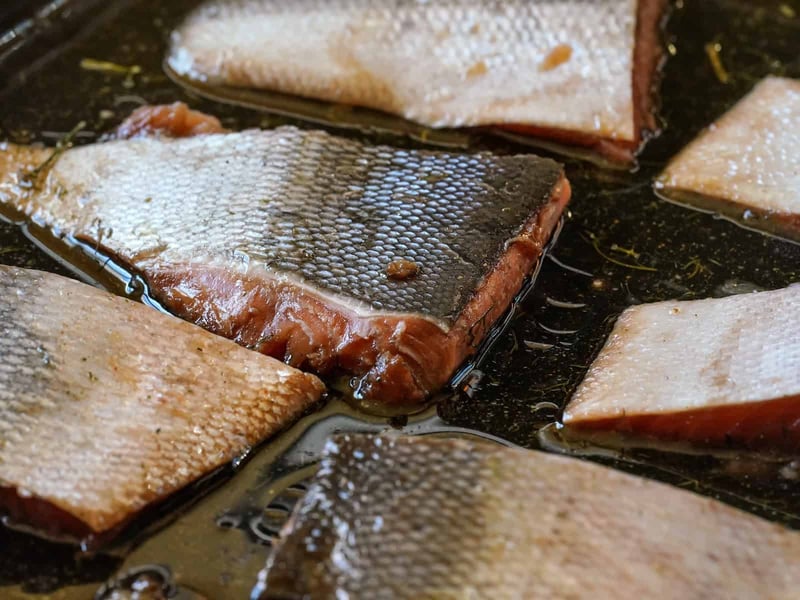
On the plus side, salmon skin is packed with amazing fatty acids and vitamins. These vitamins can support luscious fur, a boosted immune system, and decreased inflammation.
On the flip side, salmon skin is high in fat and calories, and too much of it can give your dog a bit of an ache in the belly. Worse, it dials up the unwanted risk of pancreatitis, a nasty illness you absolutely don’t want for your dog.
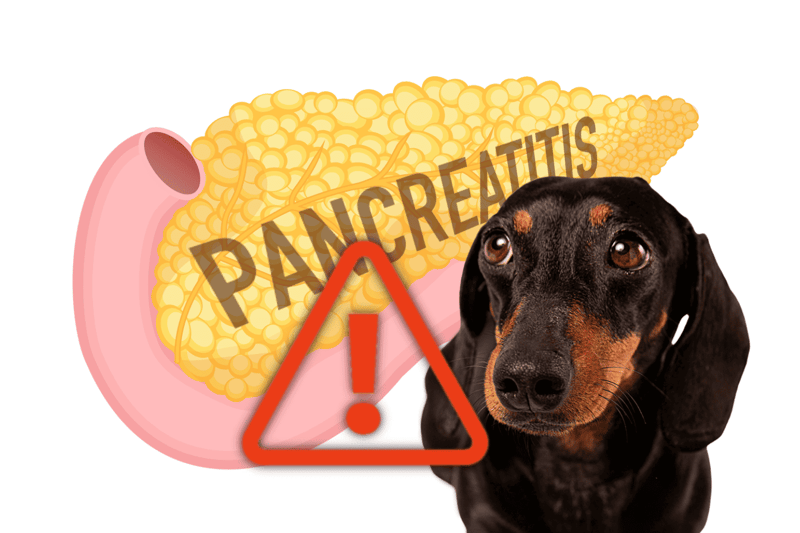
If your fur friend needs to drop a few pounds, salmon skin should be avoided to prevent the intake of excess fat and calories.
The Risk of Reactions
And then, there’s the thing about allergies and skin irritations. It’s a bit like shellfish for some people – scrumptious for some, but problematic for others.
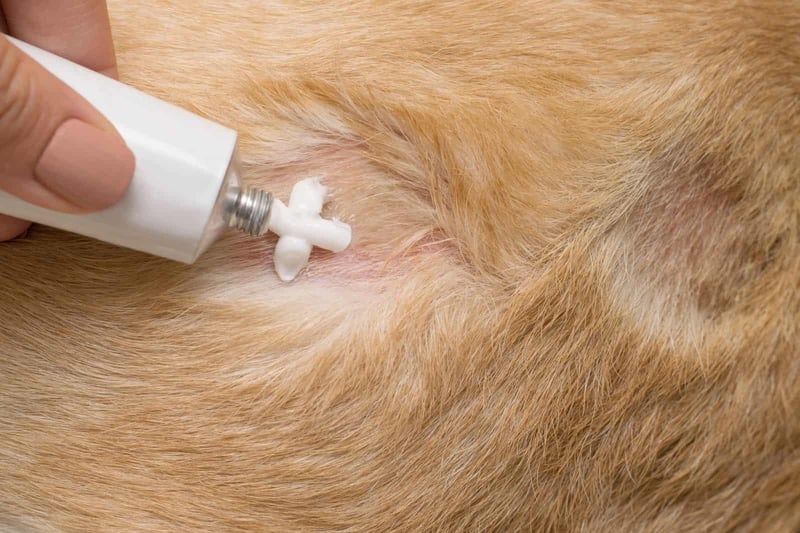
So while your pooch might love the omega-3 fatty acids in salmon skin, they could also cause skin reactions in some dogs. Be aware!
Proper Prepping of Salmon Skin
If you’re going ahead with salmon skin, roll up your sleeves and do it well! Remove those tricky toxic elements, i.e. the onions, butter, or garlic, from the salmon skin. And remember, cook that salmon well to eliminate parasites!
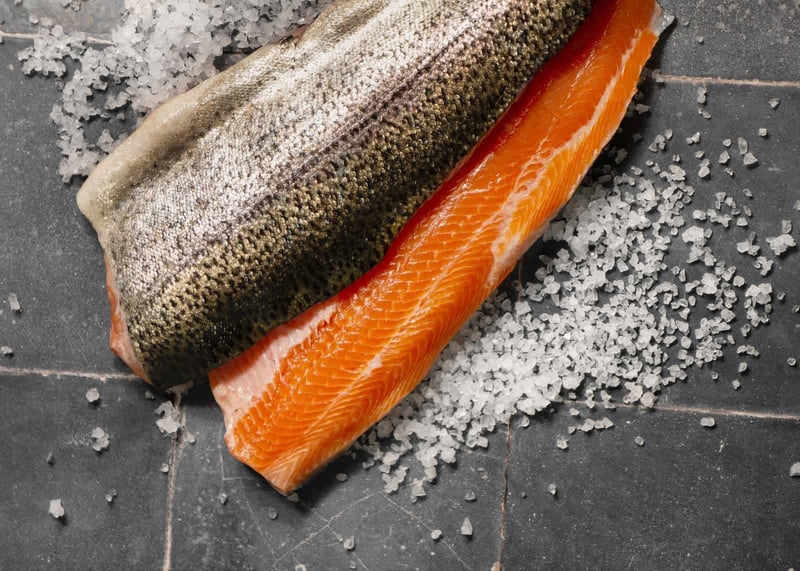
So be savvy with the whole salmon skin scenario. A little bit goes a long way! You want all the good stuff like the essential nutrients, but without hitching a ride with the risks.
Canned Salmon and Dogs
So, you’re looking to amplify your dog’s food routine with some canned salmon? It definitely gets a paw-thumbs-up as a cool snack filled with omega-3 fatty acids, serving up some prime immune-support action.
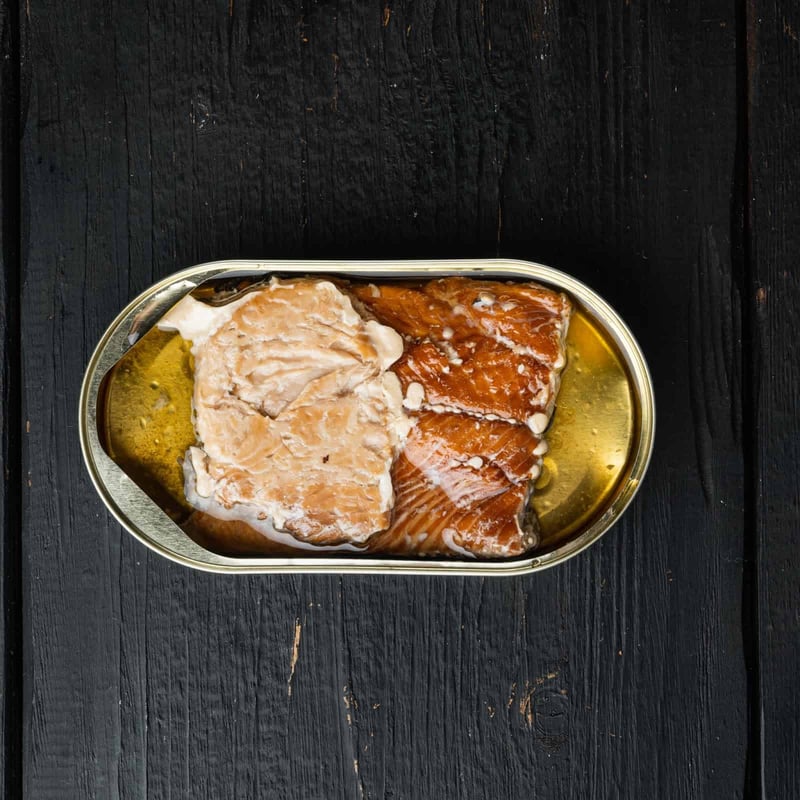
But like enjoying an all-you-can-eat buffet, there’s a savvy way to add canned salmon to your pooch’s plate.
Check the Sodium Levels
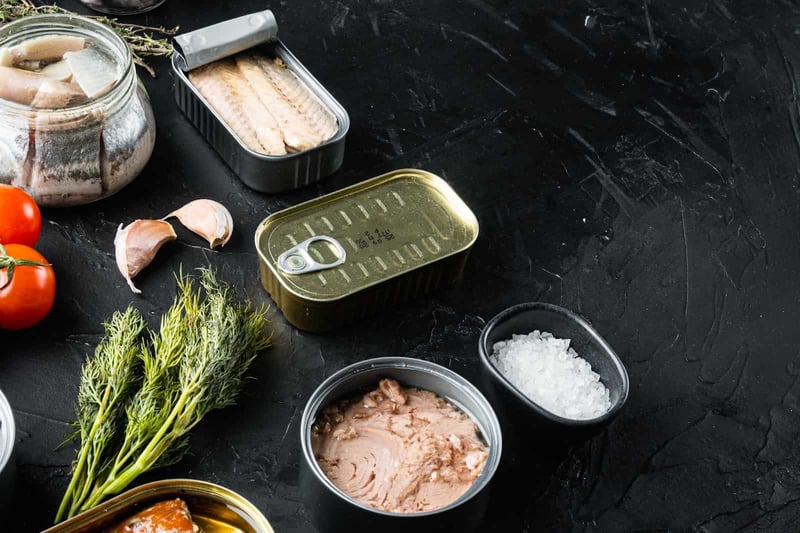
Before you pop the lid off that can, consider this important ‘paws up’. Too much sodium can turn your fun, fishy feast into a pet health faux pas, so keep an eyeball on that salt content! Opt for canned salmon packed in water as opposed to oil to dodge the extra sodium.
Rinse Well
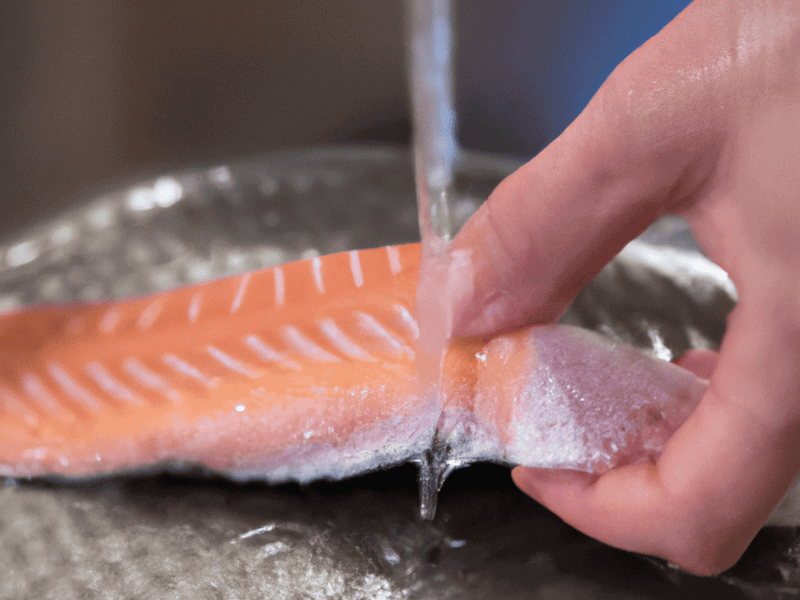
Just like you rinse the soap out of your hair extra well, you’ll want to do the same for canned salmon. A good rinse diminishes the excess salt or oil, making this delicacy delectably dog-safe.
Avoid Extra Seasonings
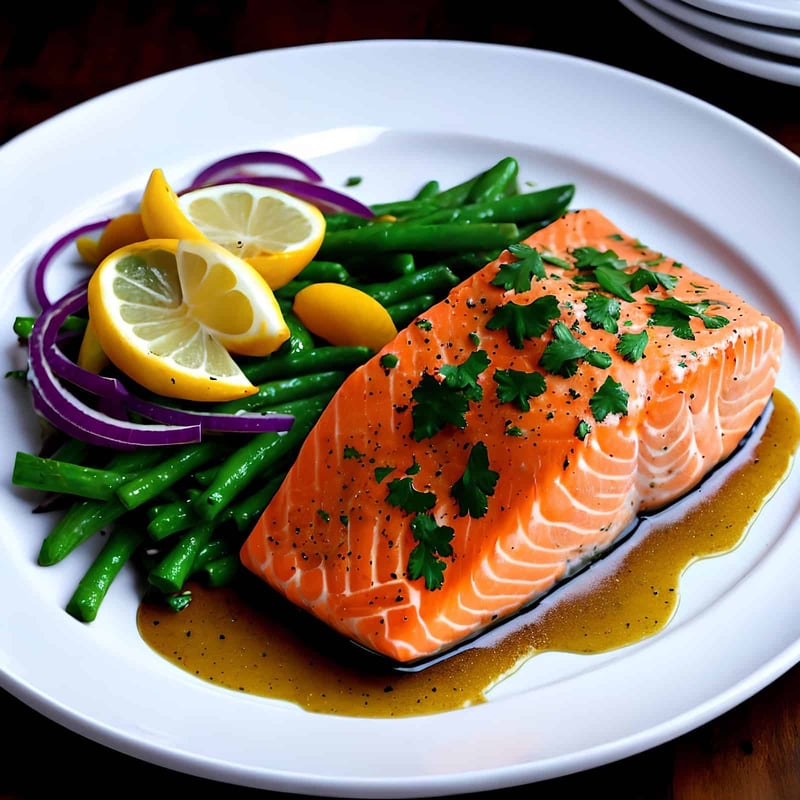
Added oils, seasonings, or salt are no-nos for your fur friend. They can potentially spark some dog health issues, so stick with the natural, unseasoned stuff! Salmon as it is has enough flavor to get your dog excited!

In short, canned salmon can make for an awesome snack for your pup, if you play it right. Keep an eye on the sodium, rinse well, and sidestep anything with added extra ingredients.
Then, in moderation, let your pooch savor the ocean’s bounty and the bountiful health benefits that come with it!
Can Dogs Eat Other Types of Fish?

So you’re in the seafood section at the grocery, staring at all the options and wondering, “Can my fur buddy dig into other types of fish as well?” Well, let’s dive in and fish up some facts for you.
Tuna
Thinking of canned light tuna for your dog’s dinner? You’re on the right track. It’s usually safe, due to its low mercury and parasite content. Plus, the Omega-3 fatty acids are a bonus.

But due to its high sodium content, too much tuna may lead to increased water consumption and thus increased risk of bloat, a potentially life-threatening condition.
Sardines
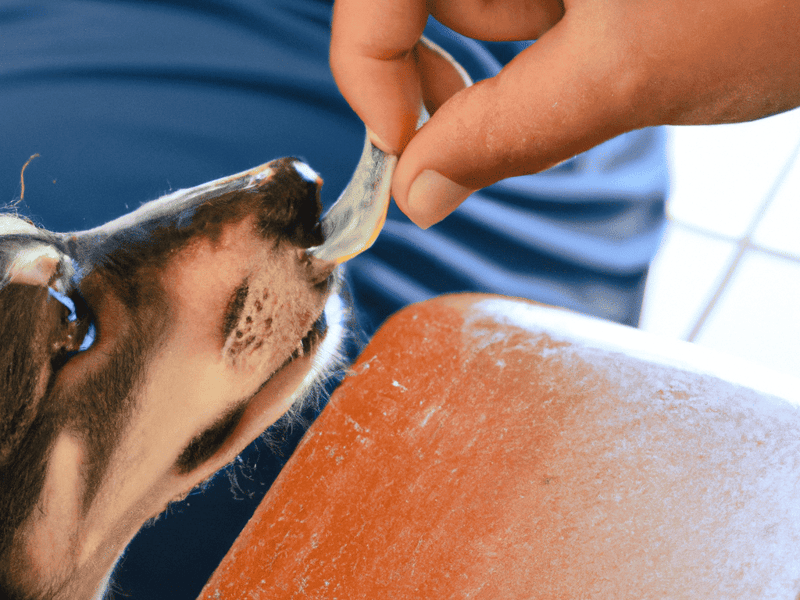
And what about sardines? These little swimmers get the green light. They come with all the Omega benefits and are packed with protein and essential vitamins. Because of their small size, you can often even serve them with skin-on and bones.
Playing Safe in The Fish Market
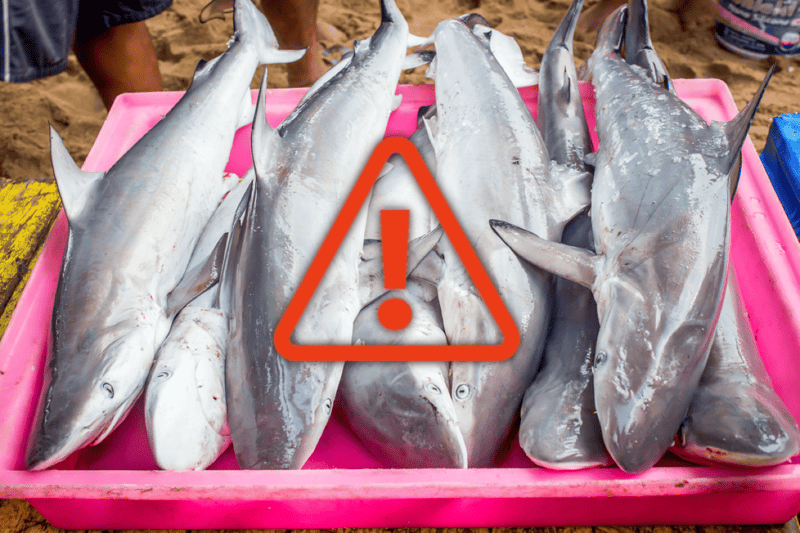
Not all fish in the sea are fair game! Some could pack a punch with high mercury levels – not good for your furry friend. So let’s say ‘No, thanks!’ to fish species like shark, swordfish, or king mackerel, which have higher mercury content.
Cooking Up a Safe Fish Feast
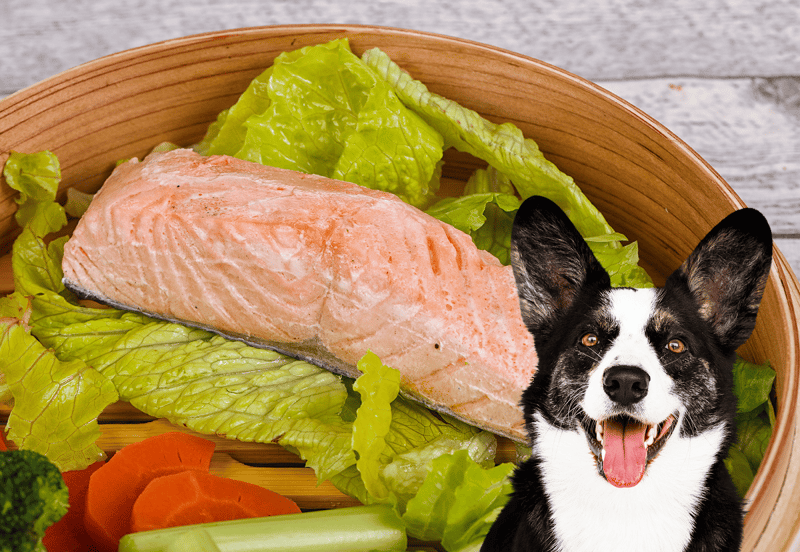
When you’re adding fish to your dog’s dinner plate, remember, raw is a No-No. Make sure your chosen fish is cooked well and deboned to keep any unwanted parasites at bay.
Frequently Asked Questions: Dogs & Salmon
Salmon: A Superfish for Pups?
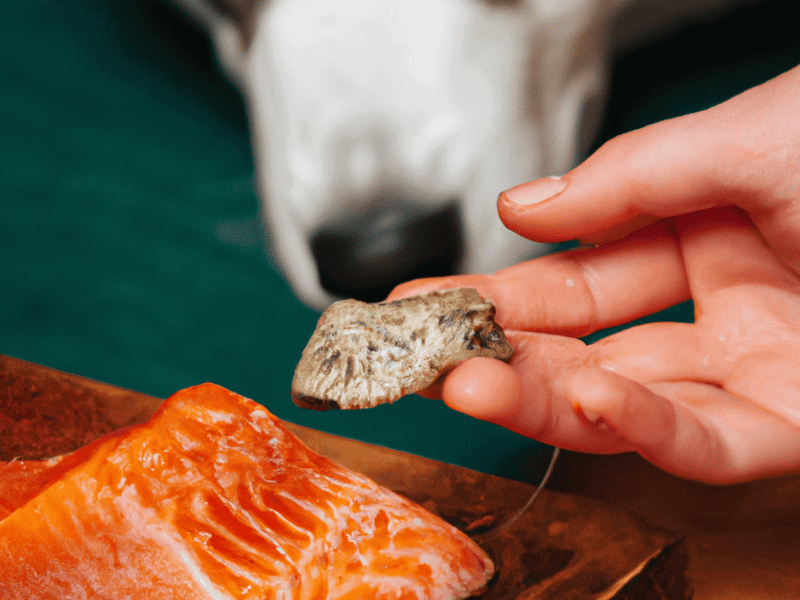
Absolutely! Cooked salmon is like a nutritional power-up for dogs. It’s like doggie superhero fuel, packed with Omega-3s for their immune system and fur.
Salmon Bones: Yay or Nay?
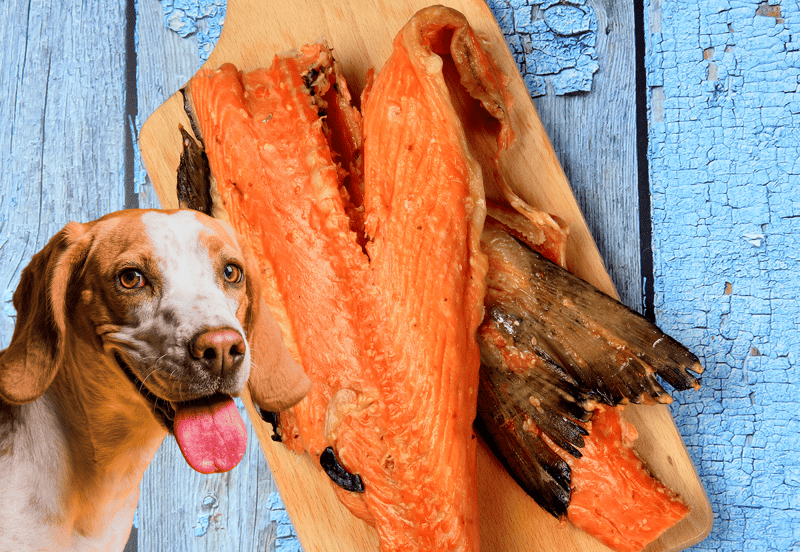
Salmon bones can be risky business for pups. They’re a choking hazard and tummy troublemaker. Remove those bones before the salmon hits your pup’s bowl!
Canned Salmon: Friend or Foe?
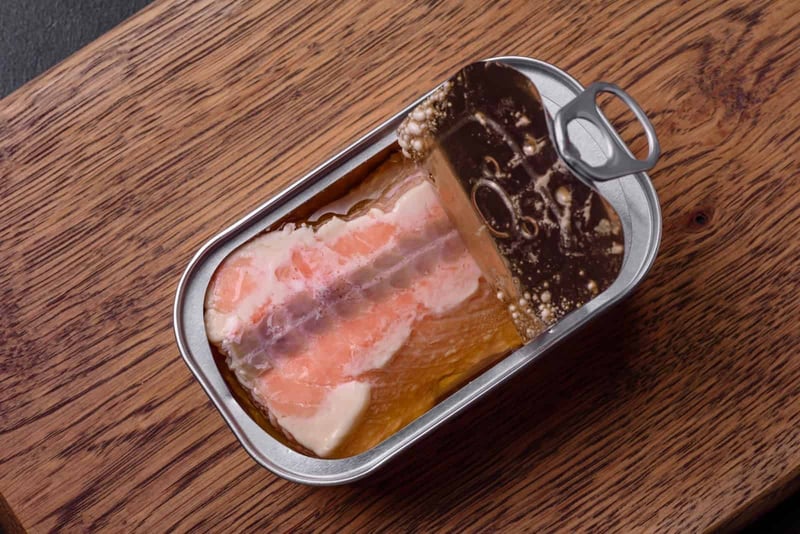
Canned pink salmon can be your dog’s buddy if it’s got no extra salt or spice surprises. Go for the boneless kind, and remember, moderation is key. Keep it balanced!
Salmon Skin: Raw Deal?
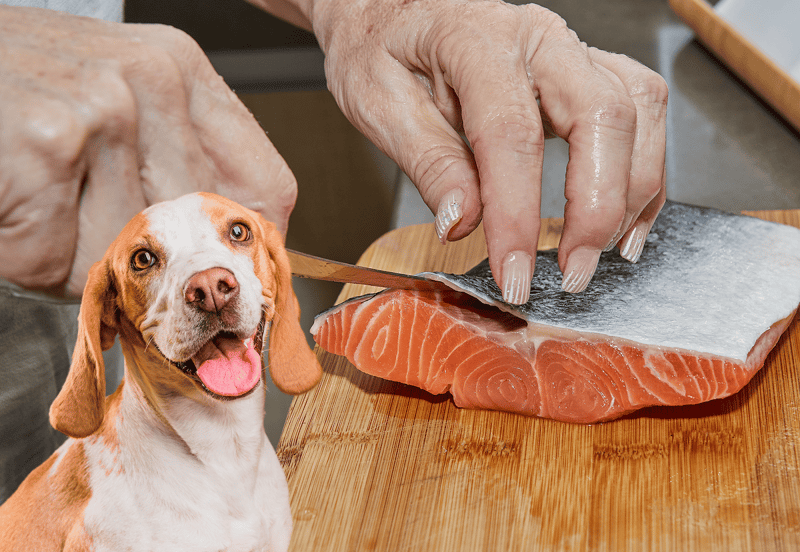
Raw salmon skin? Not a good plan. It may contain unwanted bacteria or parasites. Stick to the cooked version, plain, and without extra stuff.
Feeding Fido: How Much Salmon?
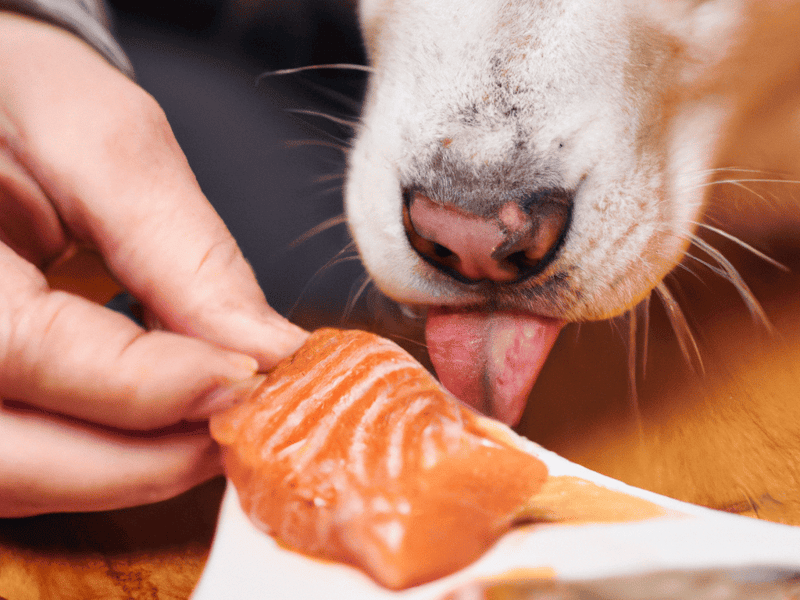
Rule of paw: about 10 grams of salmon for every 500 grams your pup weighs. But hey, for the final word on salmon portions, have a chat with your vet. They’re the real experts in dog diets.
Things To Remember

- Cooked salmon, rich in Omega-3s, is a great treat for dogs, but just remember to remove the bones first.
- Dogs can also enjoy other fish like light tuna and sardines, but always opt for low mercury options.
- Canned salmon is dog-friendly too; just rinse well to lower its sodium content.