
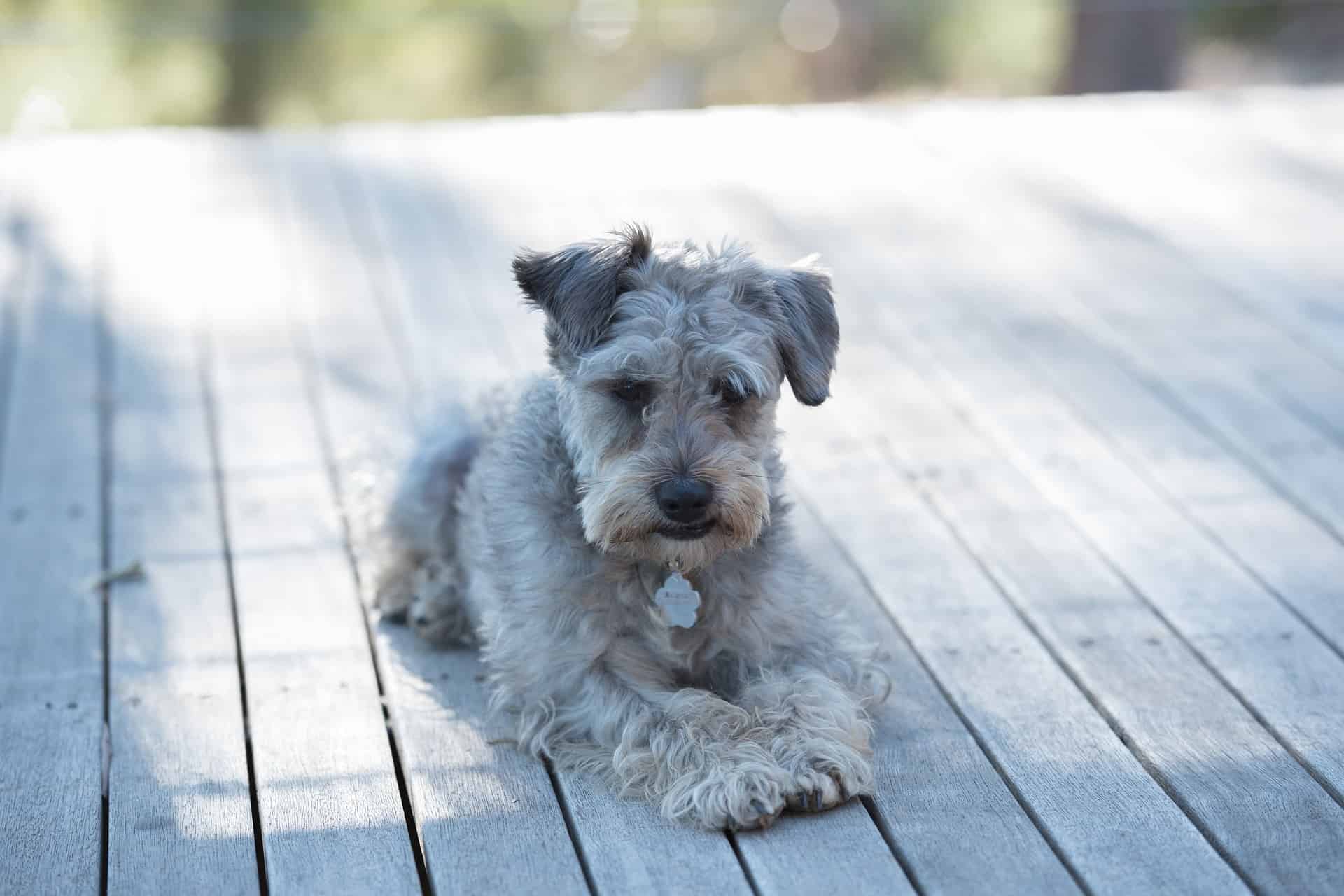
Schnoodle

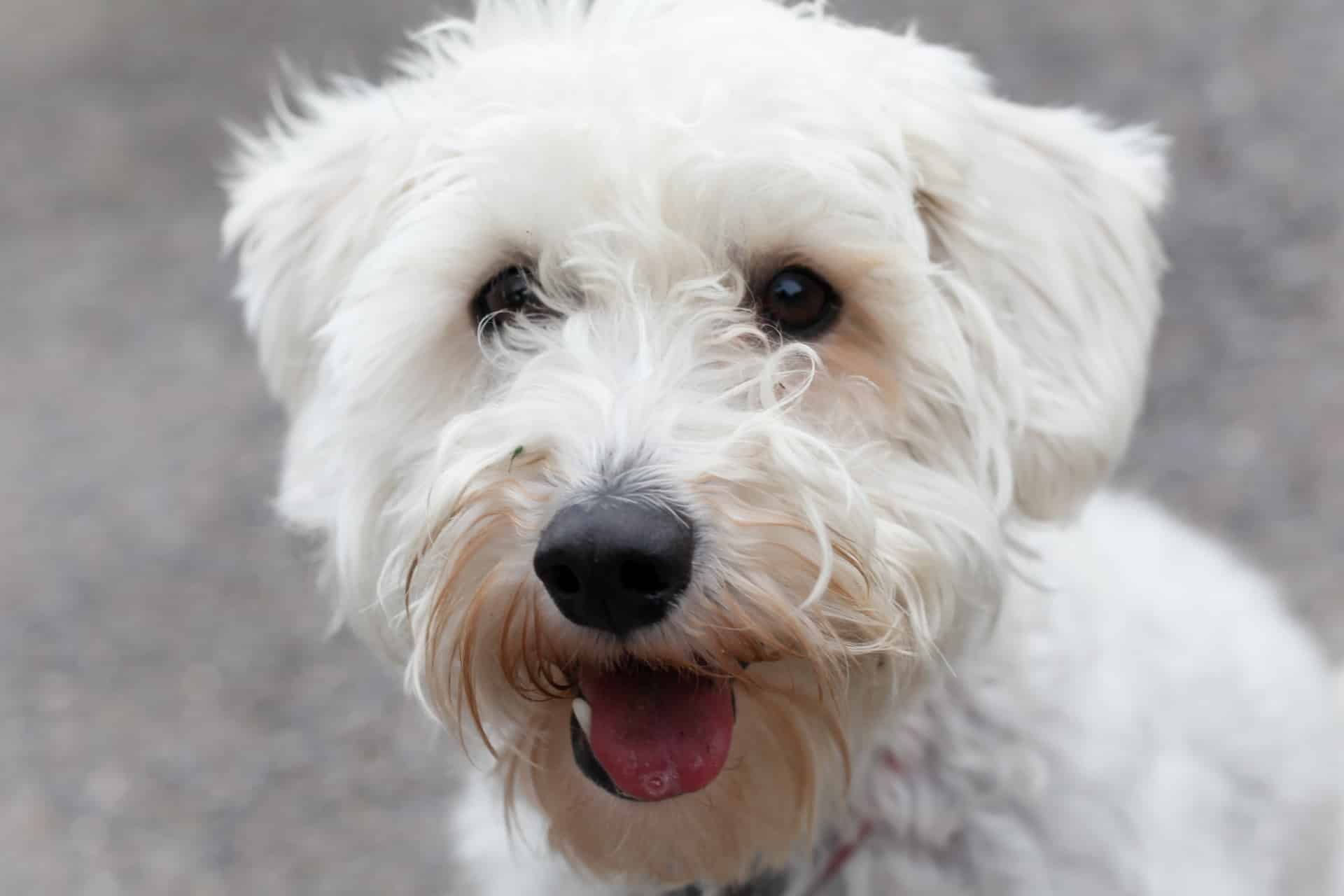
The Schnoodle, a delightful mix of a Poodle and Schnauzer, is quickly becoming a favorite among dog enthusiasts. With their remarkable intelligence and eagerness to please, these dogs make wonderful companions, despite the occasional stubborn moment.
Breed Overview
Although Schnoodles are undoubtedly charming and lovable, they may not be the best fit for households with other pets, and their initial cost can be quite steep, so be aware.
Characteristics
Health & Conditions
Generally, Schnoodles are quite healthy dogs, often even more so than their purebred counterparts. However, there are certain health conditions to be vigilant about. Should you observe any unusual behavior or signs of these conditions in your furry friend, promptly consult a veterinarian. To maintain your Schnoodle’s health, provide them with ample exercise and a nutritious, high-quality diet. Keep in mind that many health problems are hereditary, so it’s crucial to choose a reliable breeder when bringing a Schnoodle into your family.
Serious Conditions
- ! Hip Dysplasia
- ! Elbow Dysplasia
- ! Progressive Retinal Atrophy (PRA)
- ! Addison's Disease
- ! Cushing's Disease
- ! Epilepsy
- ! Patellar Luxation
Minor Conditions
- • Allergies
- • Dental Issues
- • Ear Infections
- • Minor Eye Problems
Gallery
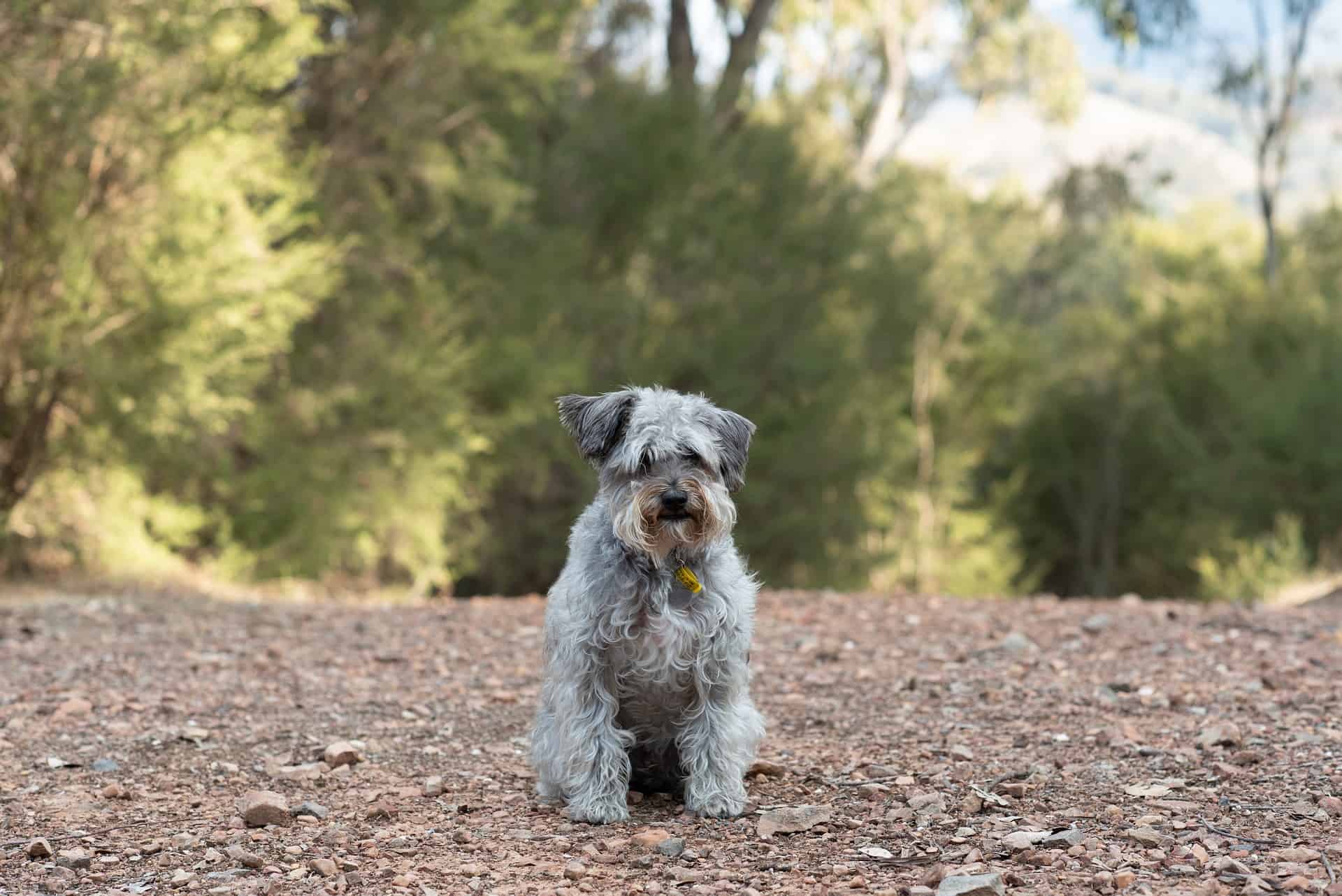

How to Choose the Right Schnoodle Puppy
When considering a Schnoodle puppy, be prepared for a higher price tag than many other mixed-breed dogs. These adorable pups can be more costly, but their unique charm and personality make them worth the investment.
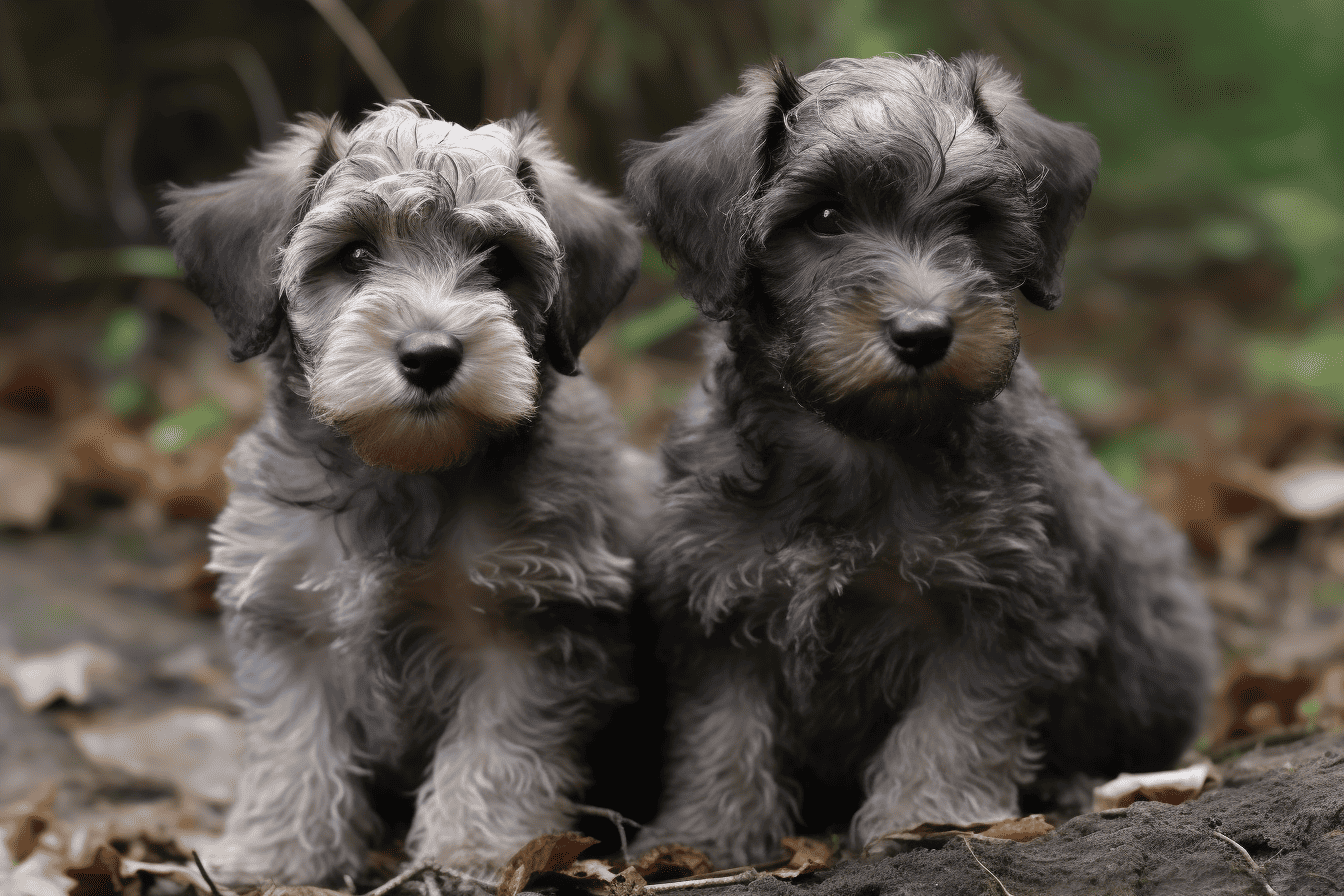
Understanding the Schnoodle’s Personality and Intelligence
Given its Schnauzer and Poodle background, the Schnoodle is a smart dog. These delightful dogs are not only eager to please, but they’re also incredibly loyal to their owners. With these qualities, it’s no wonder they’re considered one of the easiest breeds to train. However, Schnoodles can be a bit stubborn at times, and if they believe they can get away with something, they’ll certainly try. Additionally, Schnoodles love to problem-solve independently, so keeping them mentally and physically engaged is crucial. Otherwise, you may find them causing mischief and giving you headaches in unexpected ways.

Are Schnoodles a Good Fit for Family Life?
With their amiable nature, affectionate disposition, and eagerness to please, Schnoodles make excellent family pets. Nonetheless, their small size means you must exercise caution when they’re around young children who are still learning to walk, as they could inadvertently injure the dog. Moreover, if you lead a busy life, make sure to set aside ample time for your Schnoodle. They can join you at various events, but proper socialization is essential to ensure they behave appropriately outside the home.
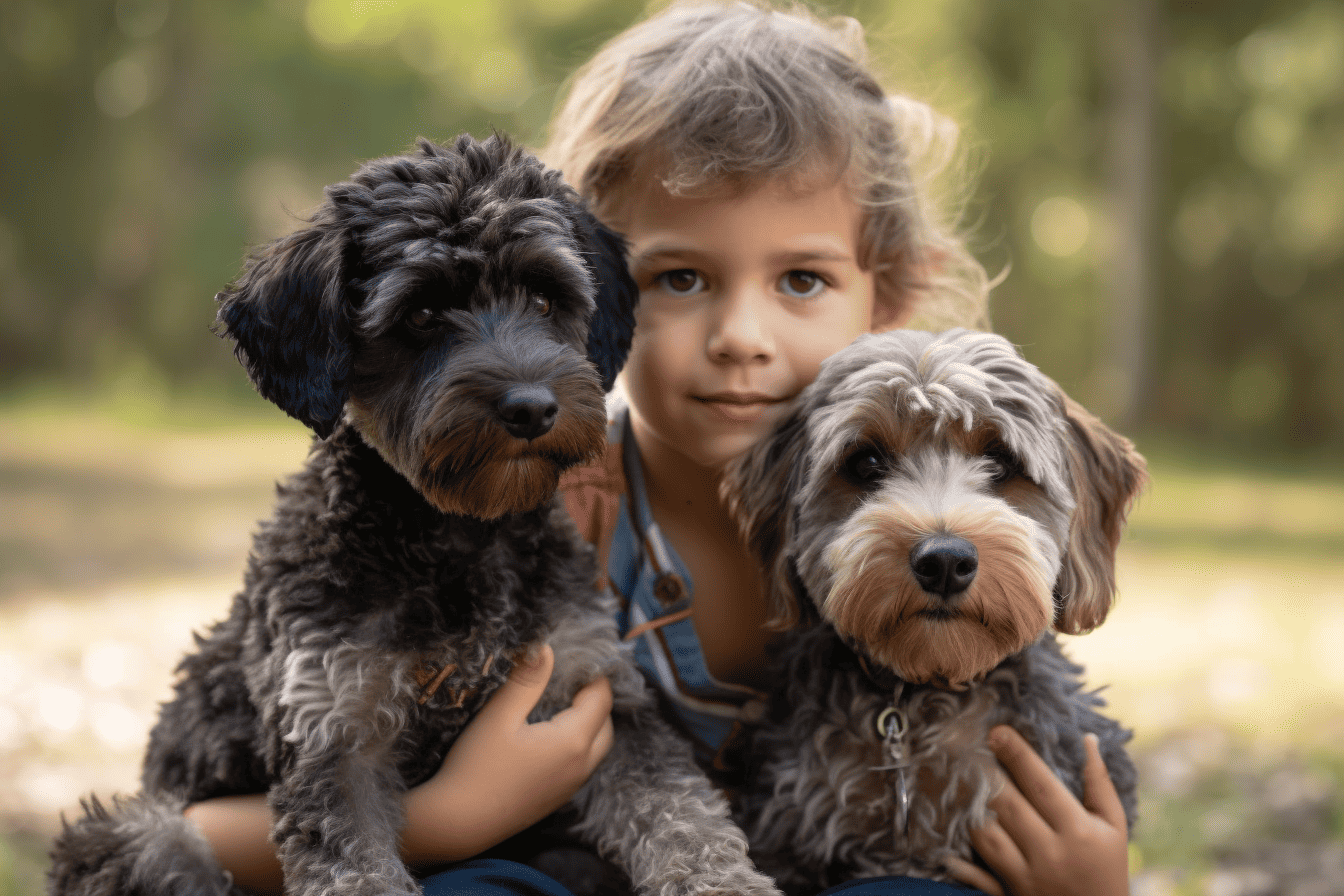
Schnoodles and Their Compatibility with Other Pets
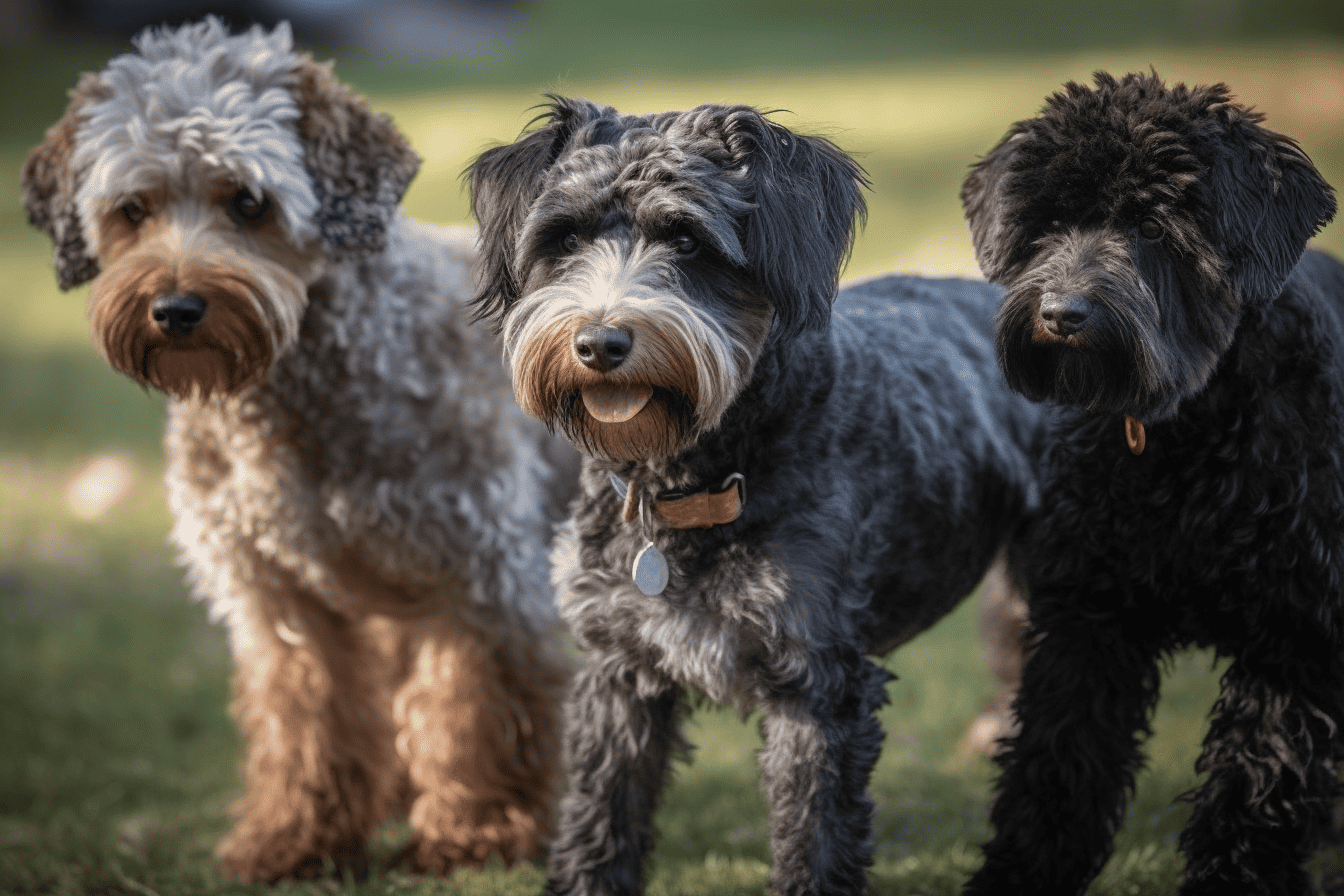
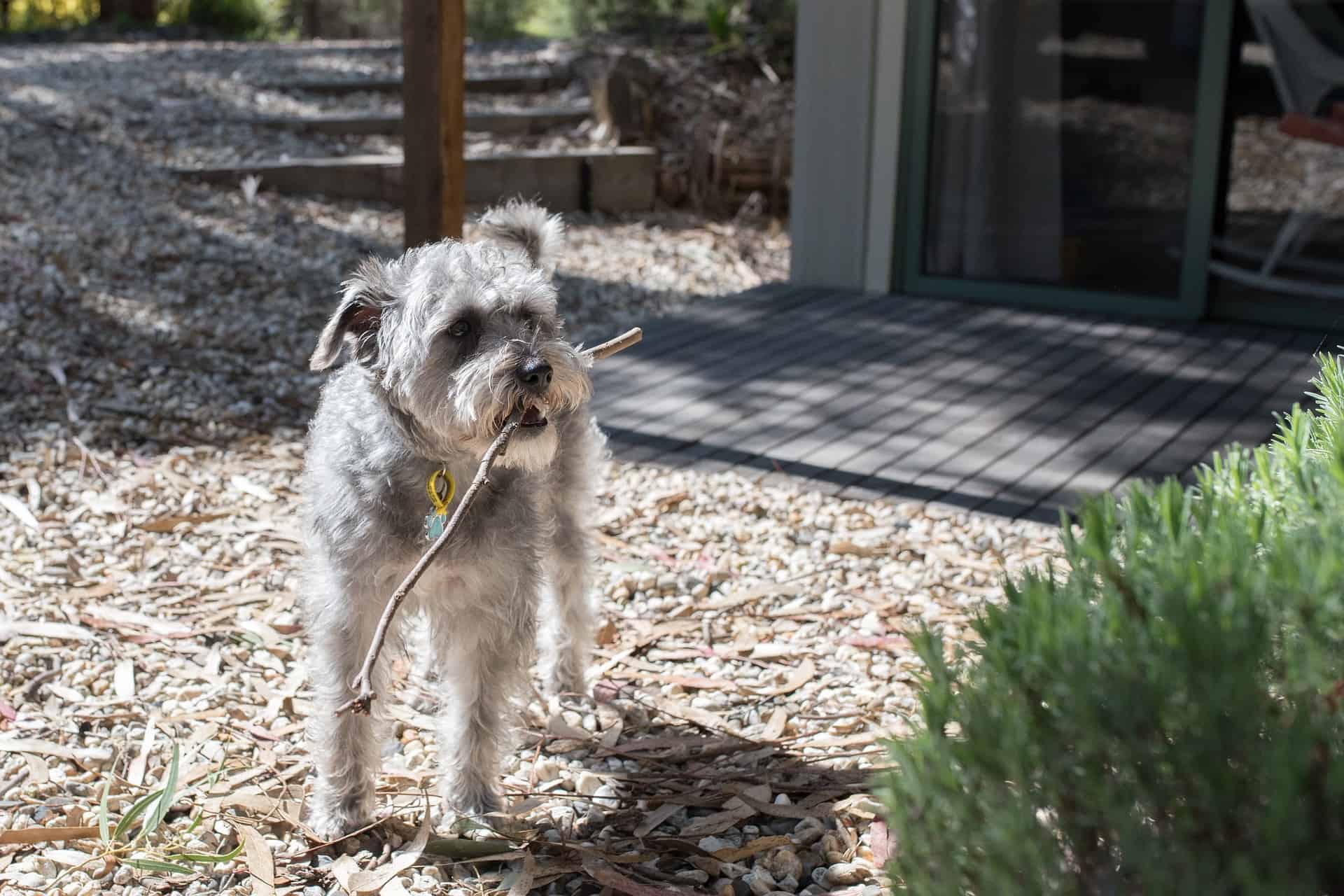
Schnoodles are wonderful with children and family members, but they can be quite challenging to socialize with other pets, including both dogs and cats. The ease of socialization largely depends on your Schnoodle’s individual personality, so be prepared for a bit more effort when introducing them to other household pets.
Dietary Needs and Nutrition of Schnoodles
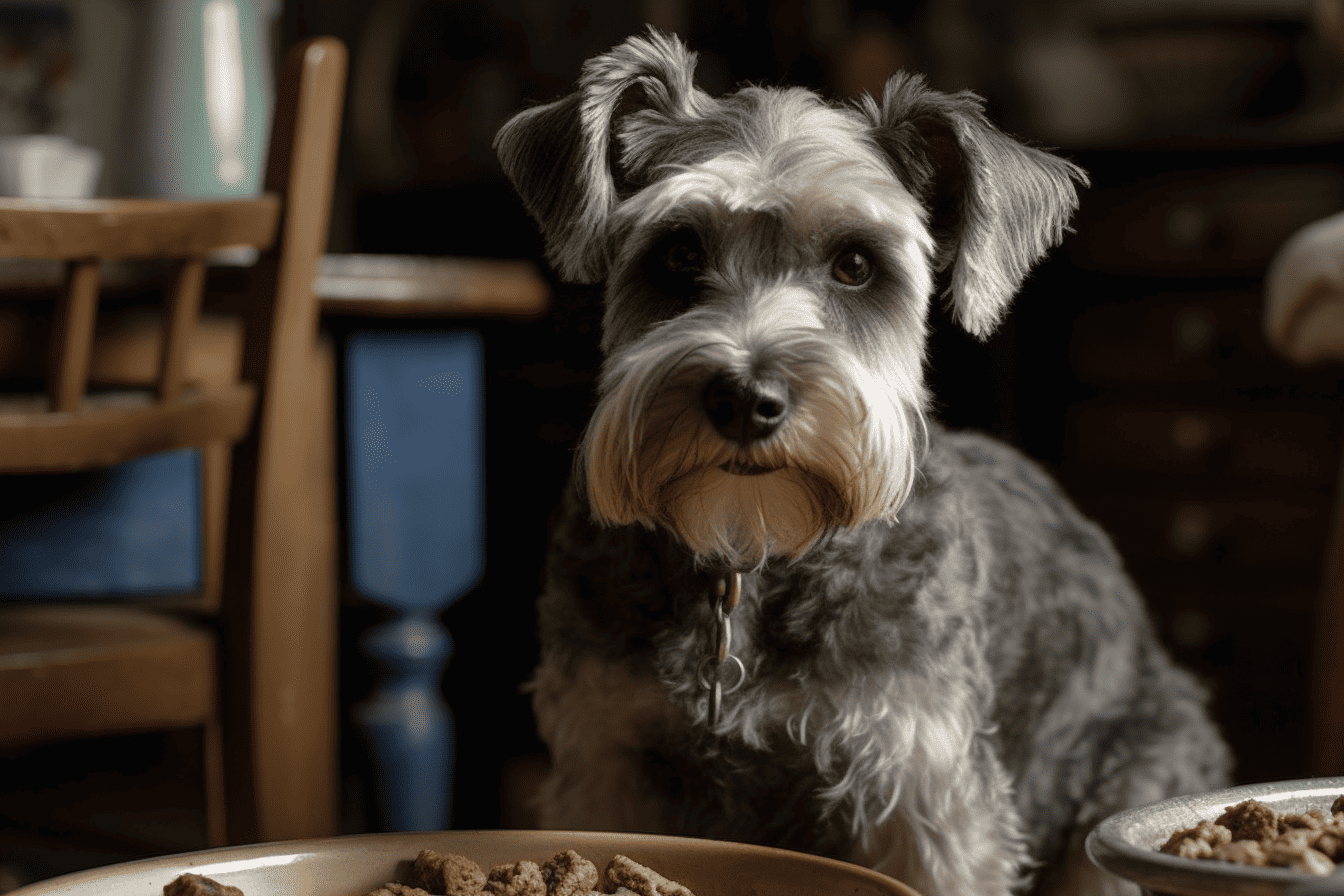
As a Schnoodle is a petite pooch, their monthly food expenses won’t break the bank. It’s recommended to provide them with approximately 0.5 to 1.25 cups of premium-grade kibble daily. Prioritize the quality of their meals - although it may initially seem more expensive, it can save you money on future veterinarian costs and potentially even extend your furry friend’s lifespan. Feel free to reward them with treats occasionally, but be cautious not to overindulge them, ensuring they maintain a healthy appetite for their meals and avoid unnecessary weight gain.
Ensuring Your Schnoodle Gets Adequate Exercise
As a spirited and lively breed, Schnoodles thrive on regular physical activity, though their small stature makes their exercise needs quite achievable. Devoting 30 to 60 minutes daily for exercise will ensure a happy and healthy Schnoodle. Additionally, when indoors, provide an array of toys to keep them entertained and active. If unable to expend their energy inside, consider increasing their outdoor activities for optimal well-being.
The Importance of Training Your Schnoodle
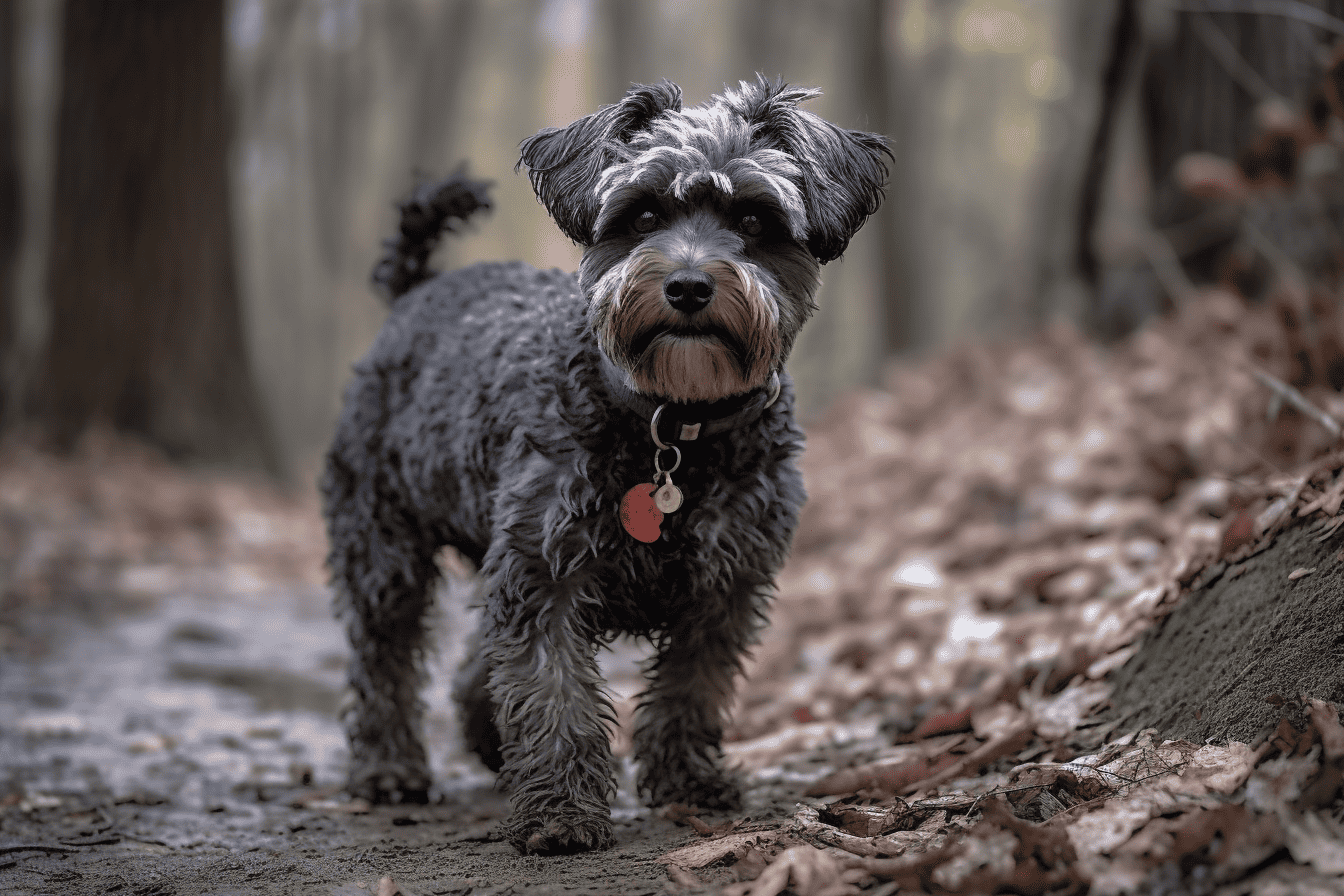
Thanks to their remarkable intellect and desire to make their owners happy, Schnoodles are among the simplest dog breeds to train. They’re perfect for first-time trainers, whether you aspire to teach them intricate skills or just want a well-mannered canine companion. Nonetheless, socializing Schnoodles with other animals can be more challenging, necessitating a seasoned approach and ample patience for most owners.
Grooming Needs for a Schnoodle
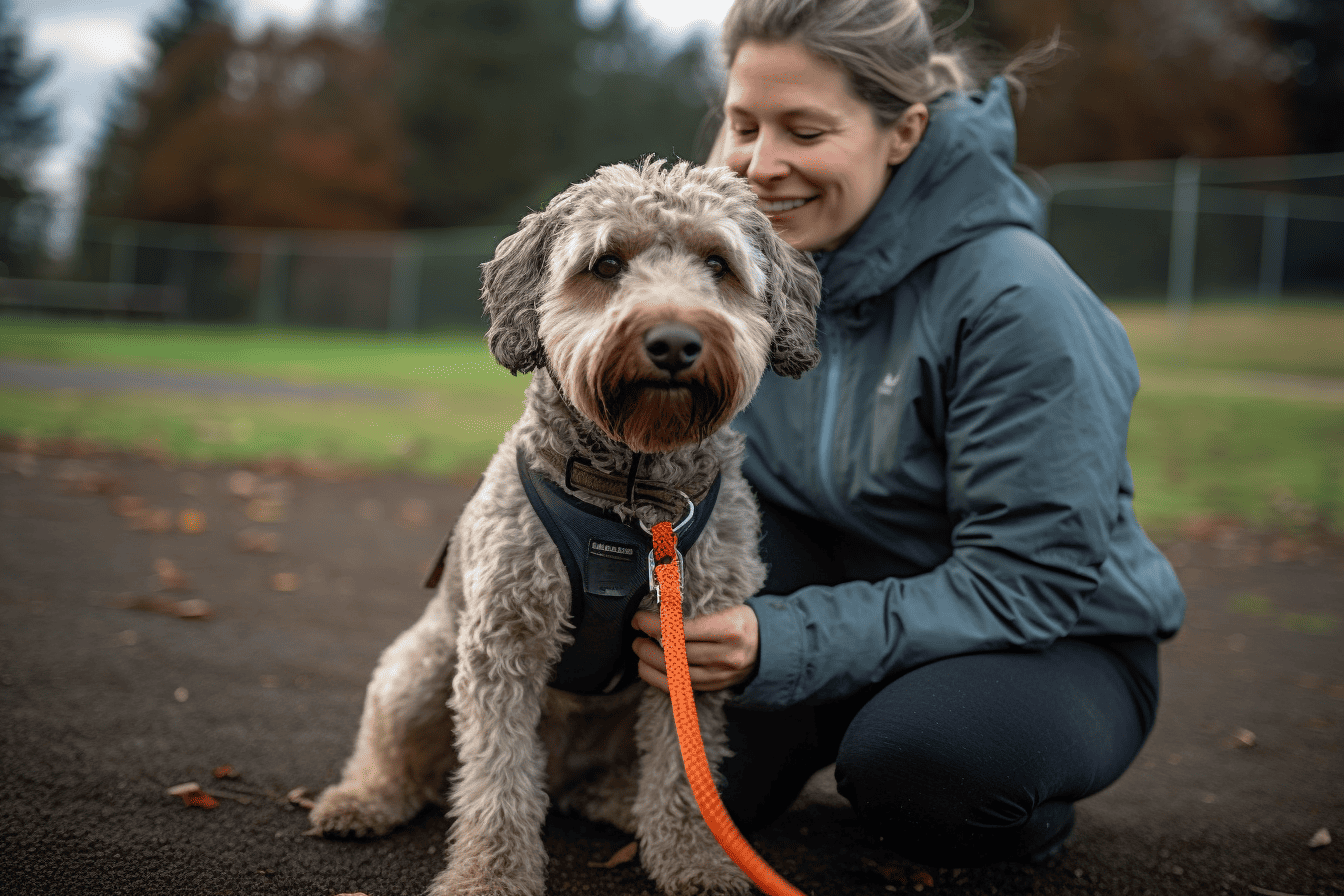
Although Schnoodles have minimal shedding, it’s essential to invest in regular professional grooming to maintain their coat’s health. This is typical for hypoallergenic breeds, but it’s an additional cost to consider. To ensure your Schnoodle stays well-groomed, brush their fur several times a week and clean their teeth daily to maintain good oral hygiene. Also, monitor their nails and trim them as necessary - however, daily walks may help keep their nails naturally short.

Comparing Male and Female Schnoodles
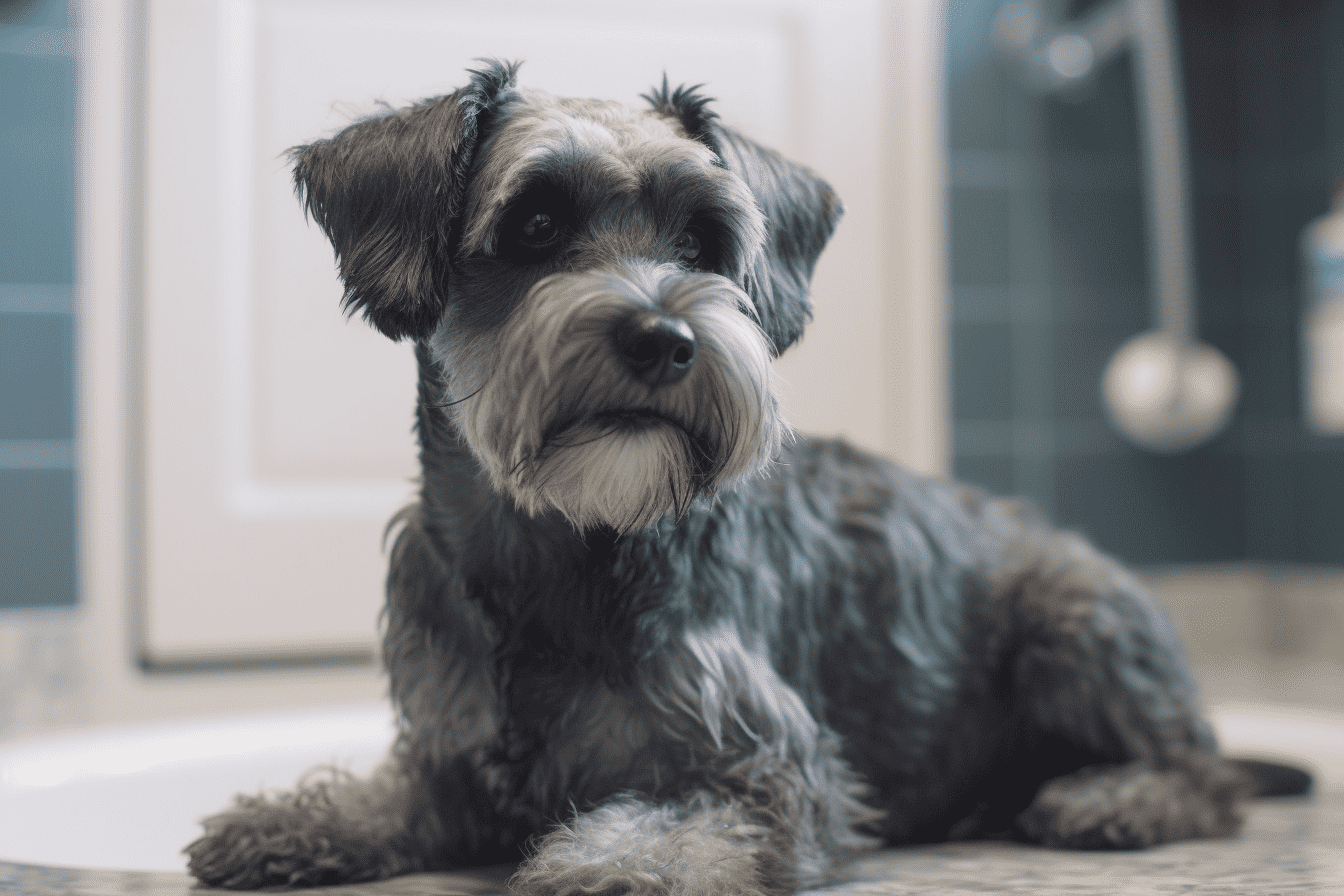
Although the distinctions between male and female Schnoodles are not vast, it’s essential to be mindful of two primary differences. Firstly, male Schnoodles generally grow to be slightly larger than their female counterparts. This size discrepancy mostly depends on the parent breeds and which one the offspring resembles more, but males within the same litter typically outgrow the females. Secondly, male Schnoodles often crave more attention and can be more assertive in seeking it. This is not to say that females can be neglected, but rather that males are more likely to demand attention while females tend to wait for you to approach them. Of course, individual personalities play a significant role in this, but on the whole, male Schnoodles are more inclined to actively seek your affection and attention.

An Interesting Fact About Schnoodles
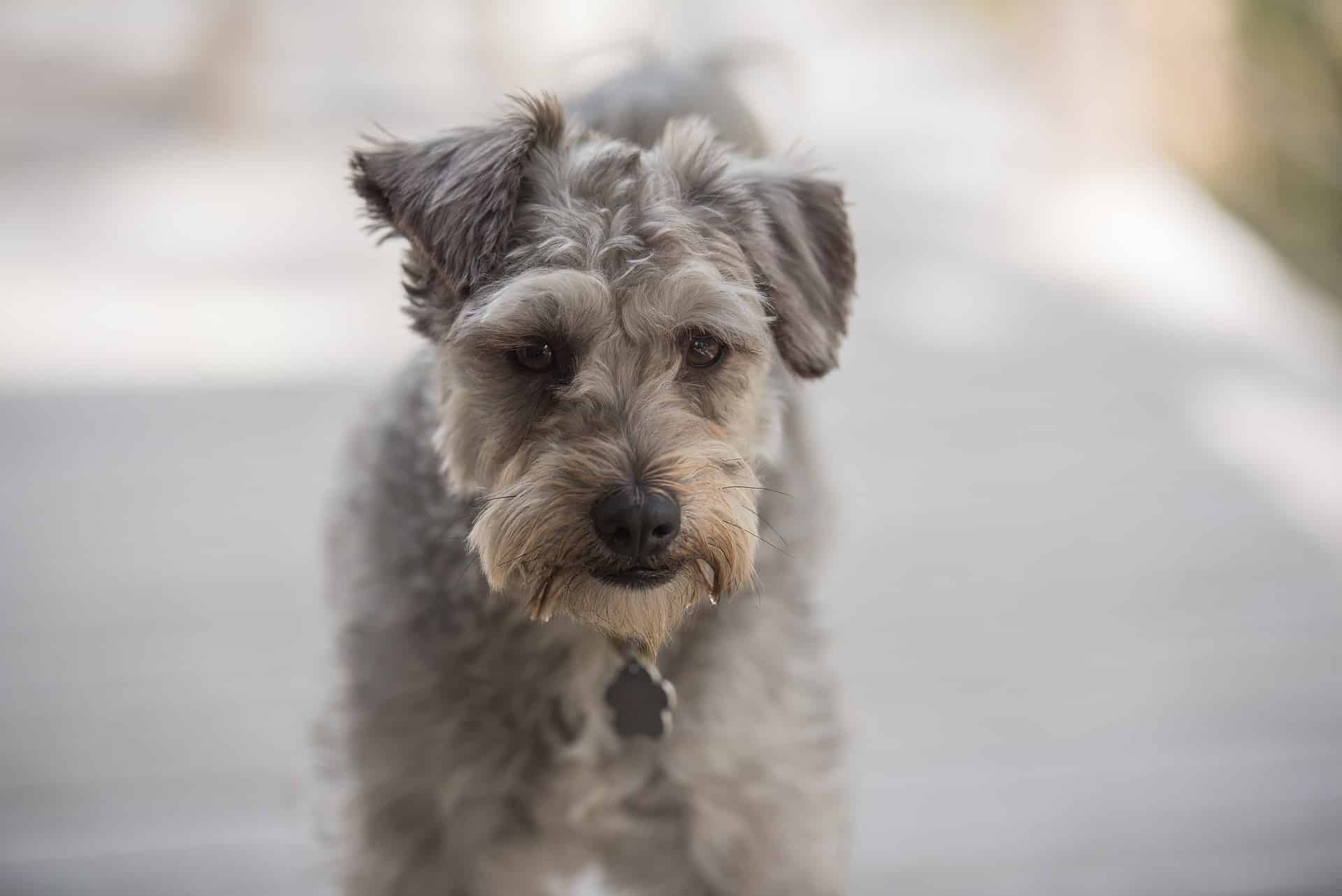
Schnauzer and Poodle breeds are both hypoallergenic. However, this doesn’t imply that they don’t shed at all. Schnoodles have relatively minimal shedding, but you’ll still need to remove their hair from your clothing and furniture. Remember, pet allergies are primarily caused by dander, not hair shedding!
Yet Another Intriguing Schnoodle Fact
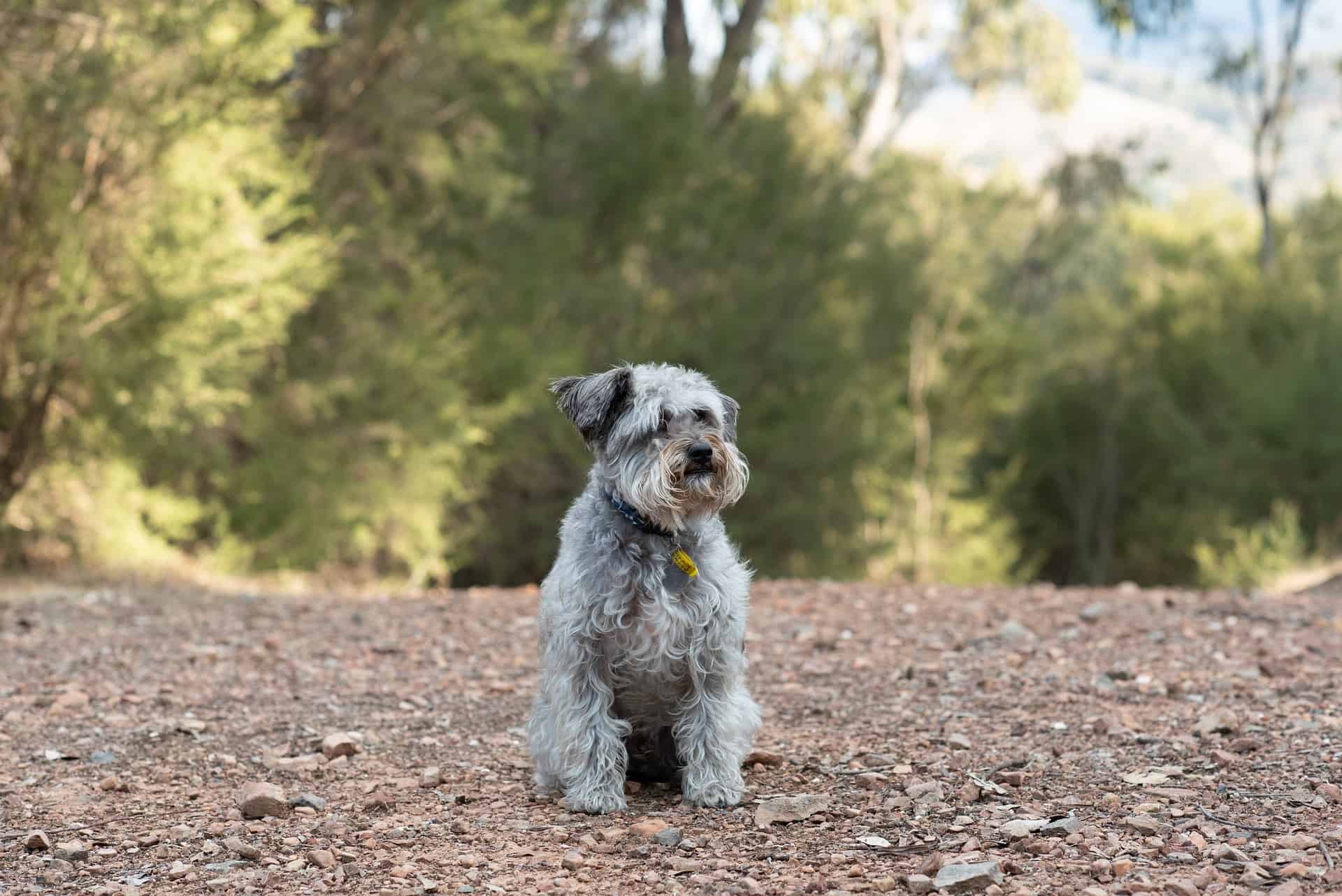
Don’t let their diminutive stature fool you - Schnoodles are bursting with energy! To prevent any mischief stemming from boredom, it’s crucial to give them daily exercise. Fear not, though, as their petite size means they can happily adapt to apartment or small home living, making them a versatile pet choice.
In Conclusion: The Wonderful World of Schnoodles
While the initial cost of a Schnoodle can be high, ongoing monthly expenses are more moderate. The popularity of these delightful dogs is well-deserved, despite their challenges in adapting to homes with other pets.

Looking for something else? Use the search!
Browse our database containing hundreds of posts, filled with the latest information provided by our seasoned experts and animal writers.