
What Fruits Can Dogs Not Eat?

Hey there, dog-loving amigo! Let’s have a chat about fruit and your fur pal. I know, your eyes just lit up – fruits are healthy, right? Well, yes, but not exactly!
Not all fruits make for a win-win situation for you and your furry pal.

While some fruits let your pooch shake its fluffy tail, others might make that tail go still. Yup, some fruits could pose serious health issues for your beloved fur buddy.
There’s more to this fruit story than just the usual, “An apple a day keeps the vet away.” Some fruits are sneaky little ninjas hiding potential hazards for your puppy pal.

So brace yourself! Let’s delve deeper into the fruity world to keep your fur buddy safe and bouncing all around the house.
Harmful Fruits for Dogs

Hold up, dog lovers! Before throwing fruit to your furry friend, beware. Shockingly, some fruits can harm dogs. To save you a future vet bill, we’ll explore these potentially harmful “bad apples.”
Grapes And Raisins
First on the list are grapes and raisins. These little things can be dreadful for dogs, causing kidney failure.
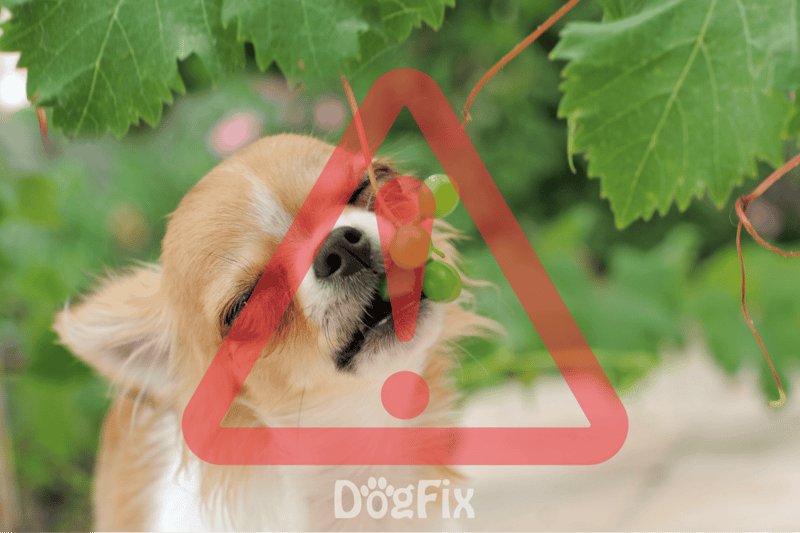
Even a tiny portion can lead to unwanted episodes of vomiting, diarrhea, and lethargy. So, steer clear from these and be careful with stuff like baked goodies where they might be hiding.
Cherries
Next, we have cherries. Sure, the flesh may not be as sinister, but those pits are a different story. They’re like little villains because they contain cyanide… Yup, cyanide!
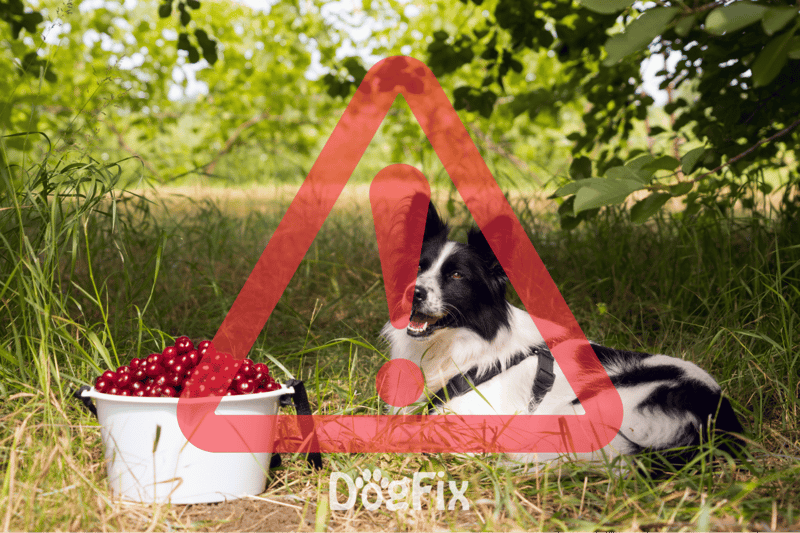
This stuff can cause nasty symptoms in your fur buddy, like difficulty breathing, dilated pupils, and toxic shock. So, if you notice your dog has snacked on cherries, better scoop out those pits before trouble breaks loose.
Avocados
Now, you might think, “Avocados are great for my toast, so why not for my pooch?” Nuh-uh. Avos have something called persin, a toxin that might make your fur pal ill – we’re talking vomiting and diarrhea here.

The pit, skin, and leaves of avocados are terrible news. Even though some dogs may handle a bit of avocado flesh, it’s probably best to just skip this one.
Tomatoes
Tomatoes pose a potential problem too. Especially the green parts, like the stems and leaves, can be as troublesome as a tornado for your pooch.
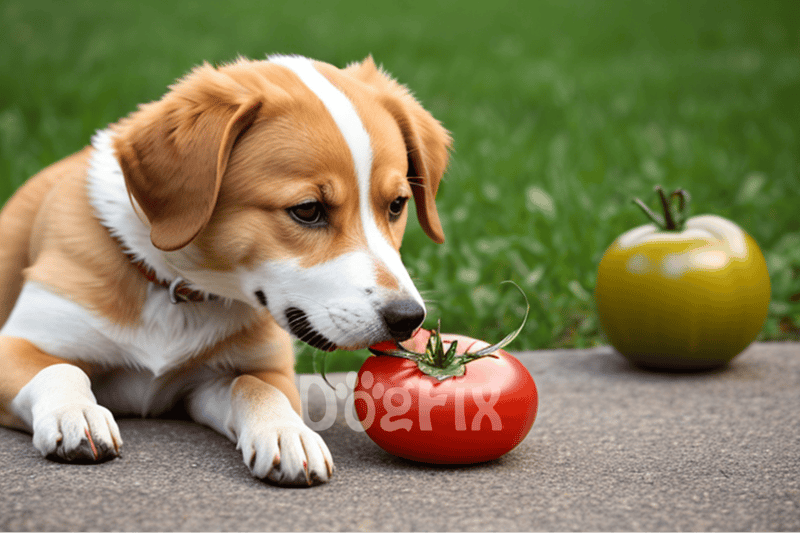
They contain solanine, a toxic substance that could lead to a rather upset tummy, general weakness, and drowsiness. While ripe tomatoes aren’t as risky, it’s better to play it safe.

So there you have it, folks, a guide to avoid turning your precious doggie treat time into an emergency vet visit.
When treating your fur friend with fruits, remember to keep it moderate, thoroughly clean to wipe off any chemicals or pesticides. If your dog ends up tasting any of these harmful fruits, speed dial that vet ASAP.
Potential Health Risks

While some fruits can slide smoothly into your fur pal’s life, others can be a total buzzkill! Here’s the lowdown on the potential health risks you need to dodge.
Cough, Cough, Choke!
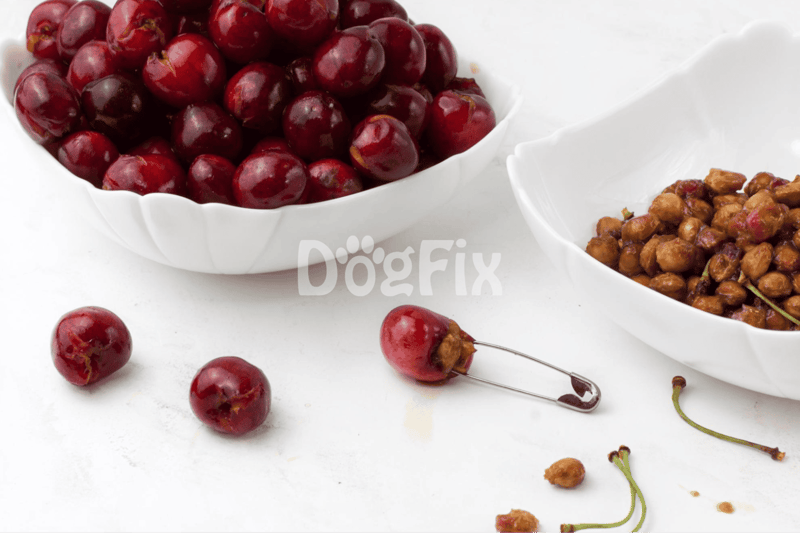
Remember that time you almost choked on a fruit pit? Imagine that for your pooch! Munching on peaches, plums, or cherries with pits can mean trouble, causing blockages in their throat or gut. So always ditch those pits and seeds before sharing fruity treats with your fur buddy.
Tummy Troubles
Just as your tummy might rumble after a heavy junk food bender, your fur buddy’s gut might protest when they’ve eaten too many citrus fruits like oranges and grapefruits.

You might suddenly spot a case of bathroom sprinting or other gastrointestinal discomforts. Remind your pooch that too much of a good thing isn’t so good!
Cyanide: The Hidden Enemy
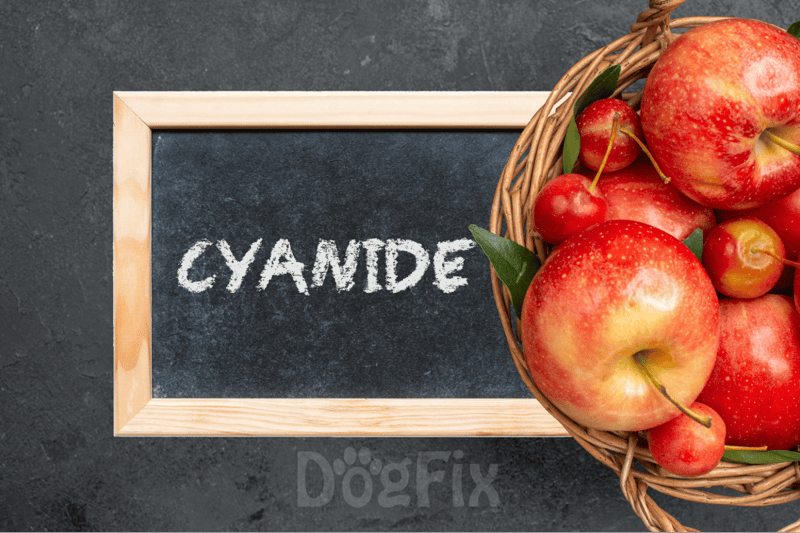
Some fruits are spies, secretly packing cyanide in their pits and seeds. Yup, you read that right!
Fruits like apples and cherries carry this nasty compound that can mess up your dog’s cells big time. So ban these little spies from your pooch’s bowl.
Beware of The Persin

Next up is avocado, or more specifically, persin that’s found in the fruit’s pits, skin, and leaves. While most dogs can handle a little avo, it’s best to give this one a miss to avoid any persin-related problems.
Solanine: The Green Meanie

Solanine, the bad guy in the green parts of potatoes and tomatoes, can leave your fur buddy with severe tummy troubles and even neurological symptoms. Keep your fur friend safe by avoiding these green-masked villains.
Fruits and Diabetes
Last, but certainly not least, if your fur buddy has diabetes, be mindful of their fruit snacking.
Some fruits like watermelon and pineapple pack a sugar punch, which could trouble your sugar-sensitive friend.

In a nutshell, keep your furry friend’s fruit adventures fruitful. Always research what’s safe for them, dodge choking hazards, say no to toxic substances, and avoid antagonizing their gut. Happy munching!
Symptoms of Fruit Toxicity
Hey fur-parents, let’s play a little “did-you-know” game.
Did you know that some fruits can make your furry roommate feel a bit wonky? It’s true!

Fruit toxicity in dogs can range from a minor bellyache to some intense illnesses. It’s important to arm ourselves with knowledge of these signs to catch any sneaky fruit villains in time.
Diarrhea And More Health Issues
For instance, if your fur buddy ever sneaks into your grape or raisin stash, they might feel a bit queasy and throw up within a few hours. Diarrhea might tag along too. This combo can quickly turn your pooch dehydrated and lethargic.

But wait, it gets worse. Serious scenarios can involve kidney failure with telltale signs like insatiable thirst, peeing like a racehorse, and serious energy loss.
Intestinal Blockage
Another “not on my watch” moment can happen if your dog wolfs down large fruit seeds or pits. You know, the ones found in peaches or avocados.

This might result in an intestinal blockage. If your furball shows signs like belly pain, vomiting, constipation, or no pooping, it could be an SOS for a vet visit.

So, instead of putting on your detective’s hat every time your pooch doesn’t feel great, how about we stay on the safe side?
Get to know which fruits are dog-friendly, and keep a watchful eye during snack time to dodge fruit toxicity! Because prevention is far simpler than dealing with trauma later on.
Other Considerations and Tips

Alright dog parents, stay tuned, because we’re embarking on the “Fruit and Fido” journey.
When it comes to treating your furry friend with fruit, there’s more to it than just slicing, dicing, and serving.
Sugar Rush Alert!

Don’t let your pooch get a sugar high! Too much fruit packed with sugar can open the doors to hefty health issues like obesity for your fur buddy.
Seed-y Situations
Next tip – be seed savvy. Before you start playing “fetch” with that apple or watermelon, remember that the seeds can spell trouble.
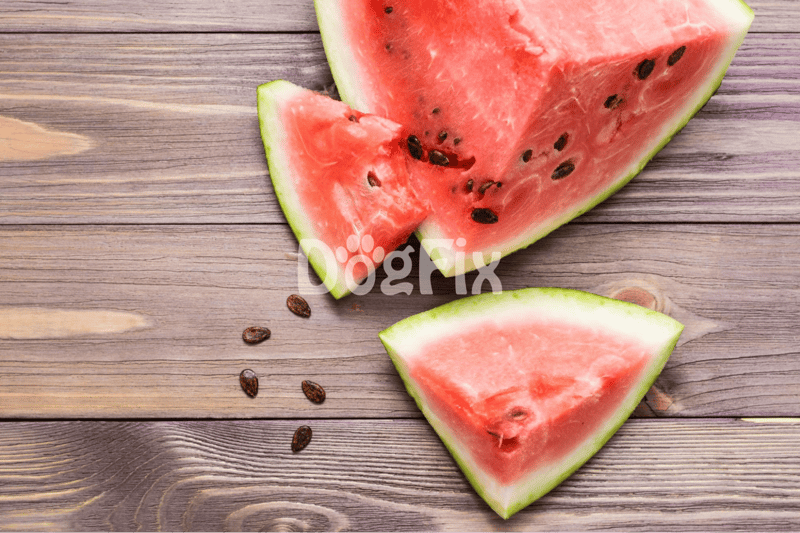
We’re talking everything from choking to scary issues with intestinal blockage. Also, be wary of anything with xylitol, a sugar substitute that’s as friendly to dogs as a cat at a mouse party.
Healthy Happy Hour with Fruit
Adding fruit to your dog’s bowl isn’t just a taste treat, it’s a health boost, too.
Toss them a pit-free peach (you remember our chat about seeds, right?), and you’re serving a dose of copper and minerals for their immune system.
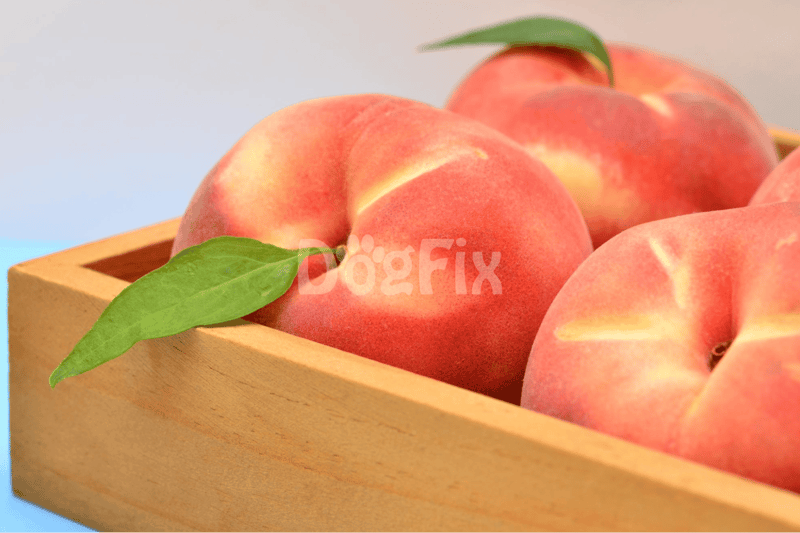
But a word of caution: while you may want to load up on Vitamin A-rich apricots or cantaloupes, dogs and ‘too much of a good thing’ don’t quite mesh. Overdoing it can lead to hypervitaminosis A, causing discomfort in your furry friend’s bones and joints.

So, the key takeaway here? Treat your pooch like Goldilocks – not too much, not too little, but just the right amount. Choose fruits wisely, and be aware of sugar content, seed hazards, and potential toxins.
Overview of Safe Fruits and Vegetables

Let’s get the scoop on what’s safe and beneficial for your little buddy.
Veggie Time
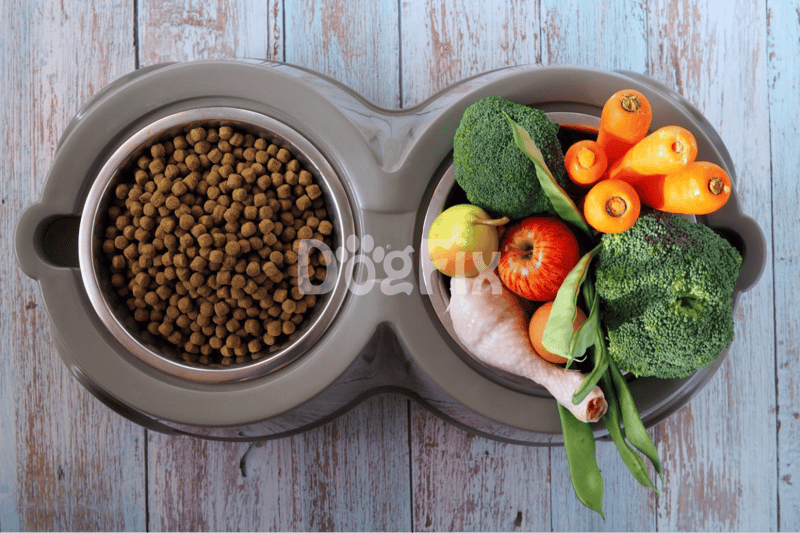
The veggie aisle in the supermarket is your friend.
Many veggies like carrots, green beans, broccoli, and cucumbers double up as tasty, nutritious fur pal treats. Even the humble pumpkin can do wonders, especially if your pooch has a stomach of steel.
Carrots: the Crunchy Toothbrush

Carrots are a big hit amongst the doggo community. Jam-packed with vitamins and minerals, low on the calorie meter, and a crunchy treat that helps keep your dog’s teeth clean. Win-win, right?
Green Beans and Broccoli: Little Green Health Bombs
Next up, we have green beans. They’re low-cal, fiber-ful, and just what the vet ordered if your pup’s on a ‘Fit Fur Life’ mission. Now, let’s talk broccoli.

You might have given it the cold shoulder at your dinner table, but it’s a nutrient powerhouse for your canine, loaded with vitamins and antioxidants.
Cucumbers: The Cool Treat

Cucumbers are like that breezy friend who lightens up every summer barbecue. They pack on the vitamins – K, C, and B1 – and are a refreshing snack for your pooch, especially in warmer months. Just slice ‘n serve these babies in doggy-friendly pieces to keep choking hazards at bay.
Pumpkin: The Digestive Superhero

If your fur friend has an upset tummy, consider pumpkin. This orange wonder is rich in fiber, smoothing out issues from constipation to diarrhea. Just remember to go natural – no added sugars or spicy surprises!

So let’s get those tails wagging with a rainbow of safe, nutrient-rich fruit ‘n veggie snacks. Strike a balance with healthy grub and their regular dog food, and watch your fur friend enjoy a healthier, happier life.
Frequently Asked Questions
Which fruits can be a health hazard for dogs?

A few fruits might as well have a “Beware, Dogs!” sign. These are avocados, grapes, raisins, and cherries. Avocados hide a pesky toxin called persin, which is found in pits, skin, and leaves. Grapes and raisins do a pretty convincing villain act, leading to potential kidney failure, while cherries play host to cyanide, a definite no-no for your fur buddy.
Are there any fruits prone to causing chokings in dogs?
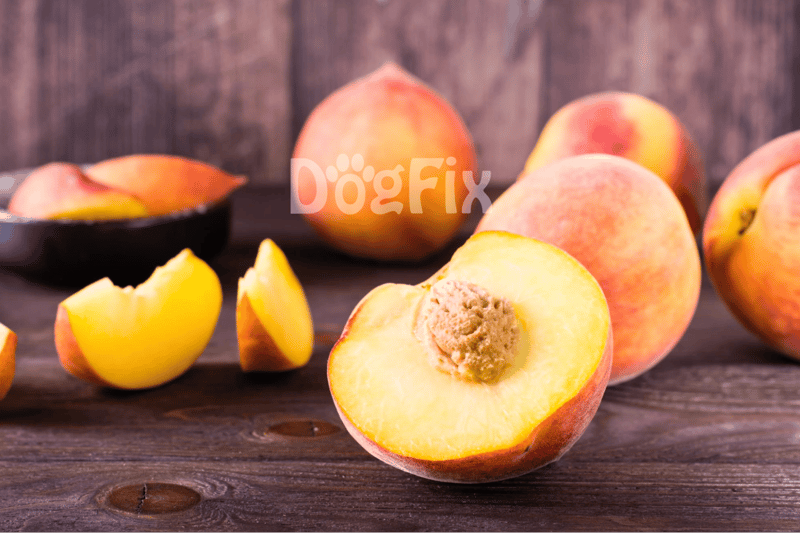
Sounds scary, but you need to watch out for fruits with pits or big seeds such as peaches or plums. These can create a choking hazard or even cause blockages in the belly.
Are there any fruits that are completely safe for dogs?

Totally! Many fruits are tail-wagging treats for your canine – blueberries, bananas, apples (be sure to remove the seeds first), and oranges (in moderation due to high sugar levels) are all in the clear. So, let the fruity fun begin!
Any fruits that are good for my dog’s dental health?

Dental health, you ask? Apples should be your go-to. Besides being the doctor’s best friend, they’re a great low-protein, high-fiber, and dental-friendly treat for dogs. Just remember to core and seed the apple before sharing a slice with your pooch.
What fruits can help my dog stay hydrated and cool?
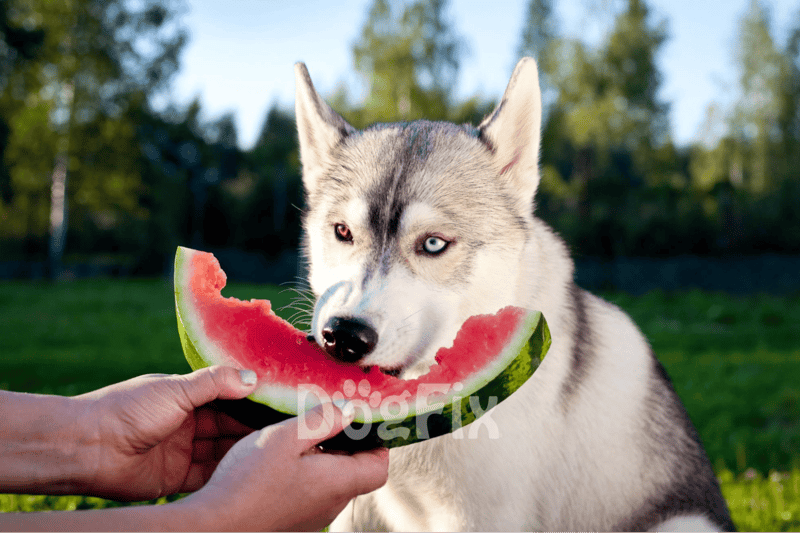
When you’re looking for a refreshing snack to keep your fur friend cool and hydrated, think watery fruits like watermelons and cucumbers – they’re hydrating heroes. Just remove the seeds and rind from the watermelon to avoid any tummy issues.
Which fruits can aid my dog’s weight management?

If your pup’s watching his waistline, low-cal fruits like strawberries, pears, and watermelon can pull double-duty as a treat and a health booster. They’re low-fat, low-cal and the extra fiber helps keep your pooch feeling fuller for longer.
Key Takeaways

- Not all fruits are safe for dogs; some can cause serious health problems or be toxic
- Recognizing the symptoms of fruit toxicity is essential to ensure your pet’s well-being
- Always research and consult with a professional before introducing new foods into your dog’s diet